

Vickers‑Armstrongs was one of the most influential engineering companies in British industrial history, with a legacy that spans shipbuilding, armaments, and aviation. Formed in 1927 through the merger of Vickers Limited and Armstrong Whitworth Aircraft, the company brought together two established engineering giants whose combined expertise would shape several decades of aircraft development.
Vickers Limited, founded in 1828 as a steel foundry, evolved into a major manufacturer of military and civil aircraft. Armstrong Whitworth, with roots in early aviation and World War I aircraft production, added its own substantial experience. Their merger created a unified organisation capable of designing and producing advanced aircraft for both military and commercial use.
Across the mid‑20th century, Vickers‑Armstrongs became known for innovation, structural ingenuity, and reliable engineering. The company produced a wide range of aircraft, from wartime bombers to commercial airliners, many of which left a lasting mark on aviation history. Their designs often reflected forward‑thinking engineering principles, including geodetic construction and pioneering approaches to jet‑age performance.
Vickers‑Armstrongs’ contributions extended well beyond individual aircraft types. The company helped establish Britain as a major force in global aviation, producing aircraft that served in conflict, opened new commercial routes, and introduced technologies that influenced future generations of aircraft design.

At‑a‑Glance.
| Category | Details |
|---|---|
| Founded | 1927 — merger of Vickers Limited and Armstrong Whitworth Aircraft |
| Origins | Vickers: established 1828 as a steel foundry Armstrong Whitworth: aircraft production since World War I |
| Primary Expertise | Military aircraft, civil airliners, bombers, turboprops, jet transports |
| Notable Aircraft | Avro Vulcan, Wellington Bomber, Vickers Viscount, Vickers VC10 |
| Key Innovations | Geodetic construction, turboprop airliner development, rear‑mounted jet engines |
| Industry Impact | Major contributor to British aviation; advanced military and commercial aircraft design |
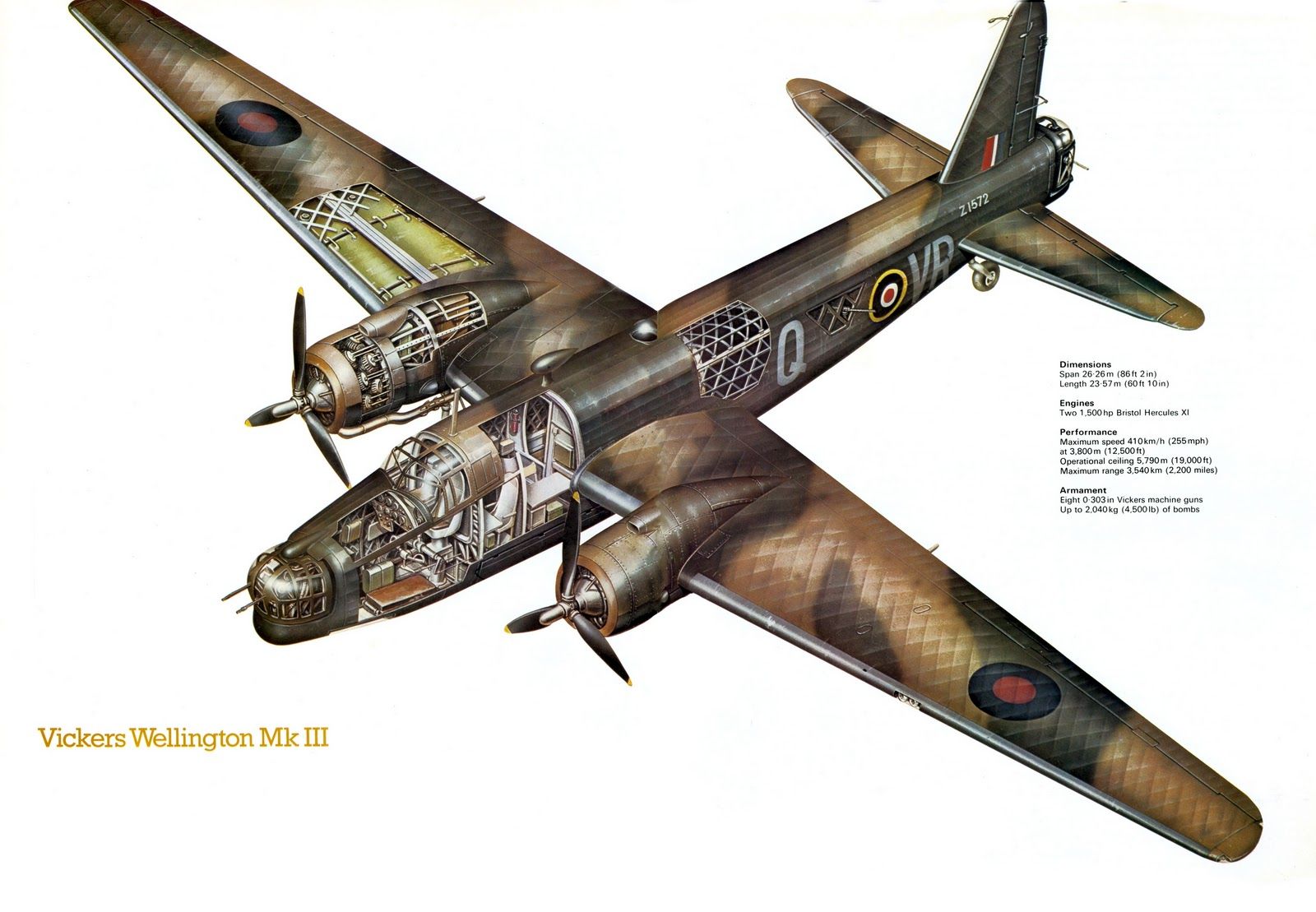
design made it one of the most durable aircraft of the second world war.
Development Timeline.
1828 — Origins of Vickers
Vickers Limited is founded as a steel foundry. Over the following decades, the company expands into heavy engineering, shipbuilding, armaments, and eventually aircraft manufacturing.
Early 1900s — Armstrong Whitworth enters aviation
Armstrong Whitworth Aircraft begins producing aircraft during the early years of powered flight, later becoming a key manufacturer during World War I.
1927 — Formation of Vickers‑Armstrongs
Vickers Limited and Armstrong Whitworth Aircraft merge to form Vickers‑Armstrongs Limited. The combined expertise of both companies establishes a powerful engineering organisation capable of producing advanced military and civil aircraft.
1930s — Innovation and structural advancement
Vickers‑Armstrongs develops geodetic construction, a lattice‑based structural method that provides strength and durability while reducing weight. This innovation becomes central to several aircraft designs.
1936 — Wellington Bomber development
The company designs and produces the Wellington Bomber, a medium bomber that becomes one of the most important British aircraft of World War II. Its geodetic structure proves highly resilient in combat.
1940s — Wartime production
Vickers‑Armstrongs manufactures large numbers of Wellington Bombers and other military aircraft, playing a major role in the Allied air campaign.
1950s — Jet‑age transition
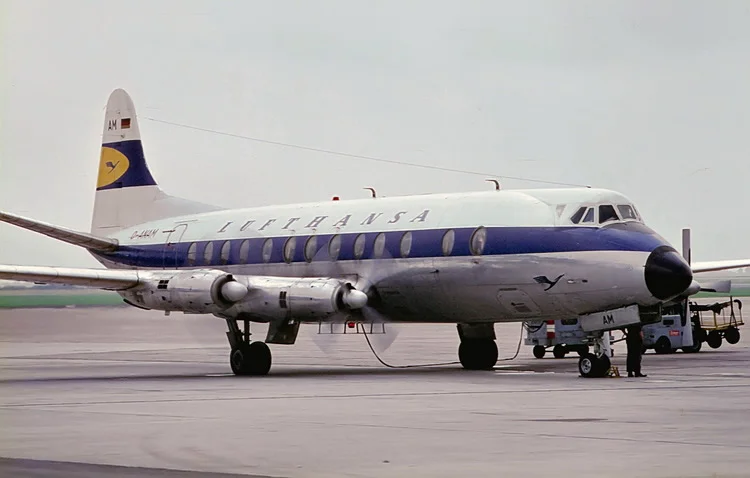
As commercial jet travel emerges, Vickers‑Armstrongs develops new aircraft concepts, including turboprop and jet‑powered airliners. The company introduces the Vickers Viscount, the first turboprop airliner to enter widespread commercial service.
Mid‑1950s — VC10 design begins
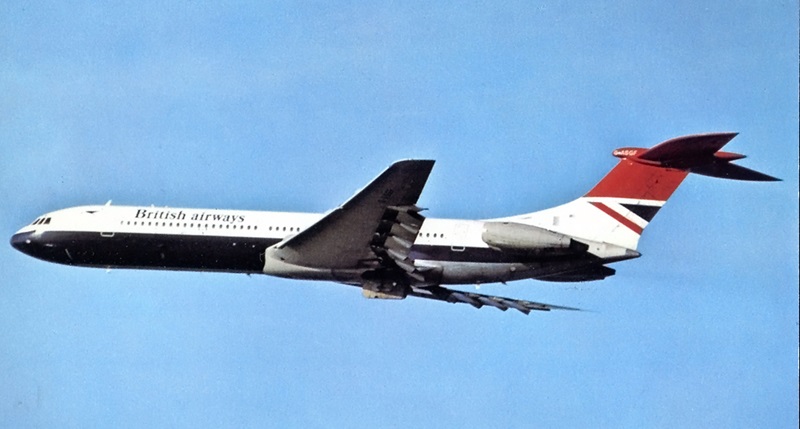
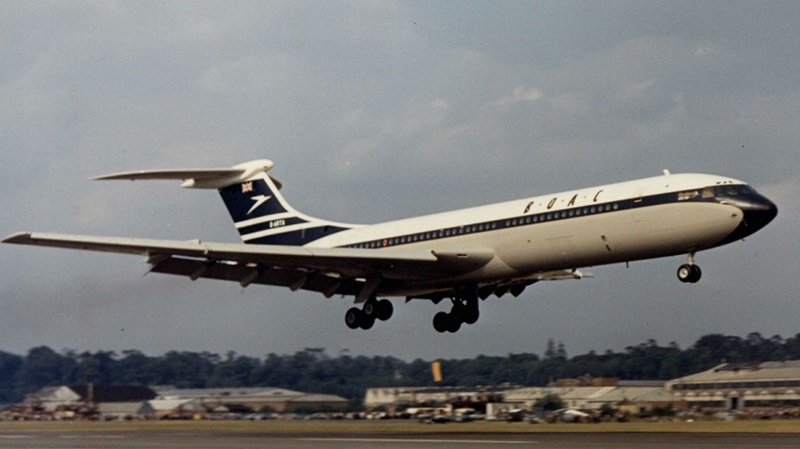
Vickers‑Armstrongs designs the VC10 to meet BOAC’s requirements for operations from hot‑and‑high African airfields. Its rear‑mounted Conway engines provide a quieter cabin and improved performance from challenging runways.
Cold War era — Avro Vulcan production
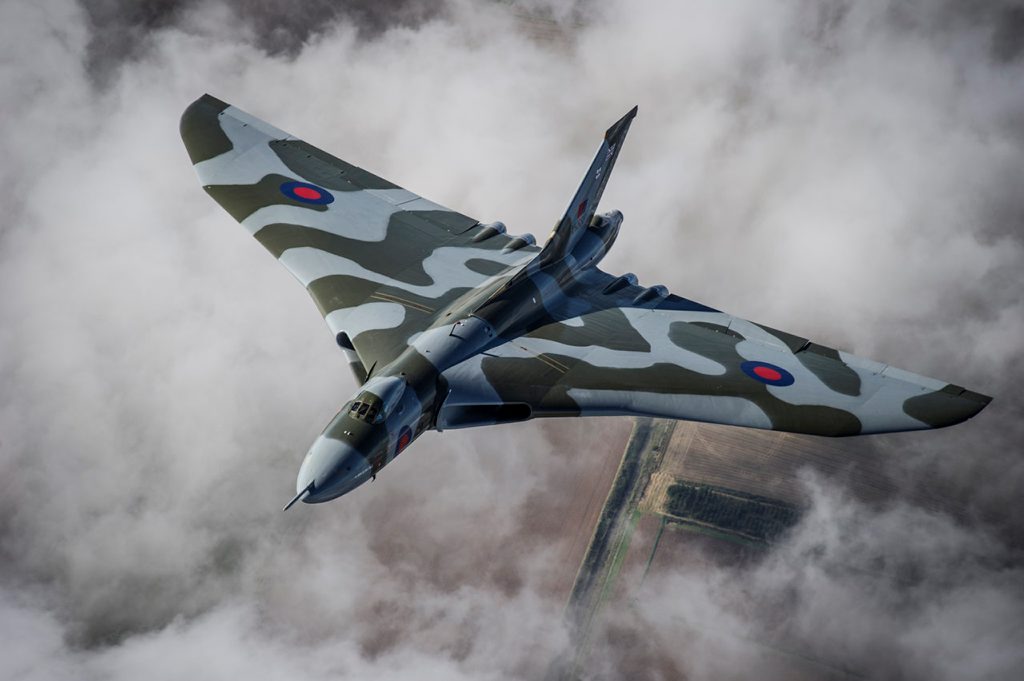
The company produces the Avro Vulcan, a delta‑wing strategic bomber capable of carrying nuclear weapons. It becomes a central part of Britain’s airborne deterrent.
1960s–1970s — Continued commercial and military development
Vickers‑Armstrongs continues producing advanced aircraft, contributing to both civil aviation and military capability. Their designs influence future British aircraft programmes.
Legacy era — Influence on modern aviation
The company’s innovations, including geodetic construction and turboprop airliner development, shape the evolution of British aircraft manufacturing. Vickers‑Armstrongs remains recognised as one of the most important engineering organisations in aviation history.
History.
Following its formation in 1927, Vickers‑Armstrongs quickly became one of Britain’s most capable and diversified aviation manufacturers. The company entered an era of rapid expansion, supported by its strong industrial base in steel production, armaments, and engineering. This broad foundation allowed Vickers‑Armstrongs to approach aircraft design with a level of structural and manufacturing expertise that few competitors could match.
During the inter‑war years, the company focused on developing aircraft that combined durability with innovative construction techniques. This period saw the refinement of geodetic airframe design, a lattice‑based structural method that offered exceptional strength while reducing weight. The approach became a hallmark of Vickers‑Armstrongs engineering and later defined several of its most successful aircraft.
World War II marked a major turning point. Vickers‑Armstrongs became a central contributor to the British war effort, producing large numbers of Wellington Bombers. The aircraft’s geodetic structure proved remarkably resilient, often allowing damaged aircraft to return home despite extensive battle damage. This reputation for toughness cemented the company’s status as a leading wartime manufacturer.
After the war, Vickers‑Armstrongs transitioned into the emerging jet age. The company recognised the need for modern commercial aircraft and invested heavily in new technologies. The Vickers Viscount became a landmark achievement — the world’s first turboprop airliner to enter widespread commercial service. Its smooth performance, quiet cabin and reliability made it a favourite among passengers and airlines, and it helped establish Britain as a serious competitor in post‑war civil aviation.
The company continued to innovate through the 1950s and 1960s. The VC10, designed to meet BOAC’s requirements for operations from hot‑and‑high African airfields, showcased Vickers‑Armstrongs’ ability to tailor aircraft to specific operational needs. Its rear‑mounted Conway engines provided a quiet cabin and strong performance from challenging runways, earning the aircraft a loyal following.
Vickers‑Armstrongs also contributed to Britain’s Cold War defence capability. The Avro Vulcan, built under the company’s umbrella, became one of the most recognisable strategic bombers of the era. Its delta‑wing design and nuclear‑capable role placed it at the forefront of Britain’s airborne deterrent.
By the late 20th century, Vickers‑Armstrongs’ aircraft had served in war, opened new commercial routes, and introduced technologies that influenced future generations of aircraft design. Although later absorbed into larger aerospace groups, the company’s legacy remains deeply embedded in British aviation history. Its aircraft — from the Wellington to the Viscount and VC10 — continue to be remembered for their engineering excellence, reliability and forward‑thinking design.
Key Aircraft Produced.
| Aircraft | Role | Era | Notable Features |
|---|---|---|---|
| Vickers Wellington | Medium bomber | World War II | Geodetic construction; highly resilient airframe; major contributor to Allied air operations |
| Avro Vulcan | Strategic bomber | Cold War | Delta‑wing design; nuclear‑capable; central to Britain’s airborne deterrent |
| Vickers Viscount | Turboprop airliner | 1950s–1960s | First turboprop airliner in widespread commercial service; smooth, quiet passenger experience |
| Vickers VC10 | Jet airliner | 1960s–1970s | Rear‑mounted Conway engines; designed for BOAC’s hot‑and‑high African routes; exceptionally quiet cabin |
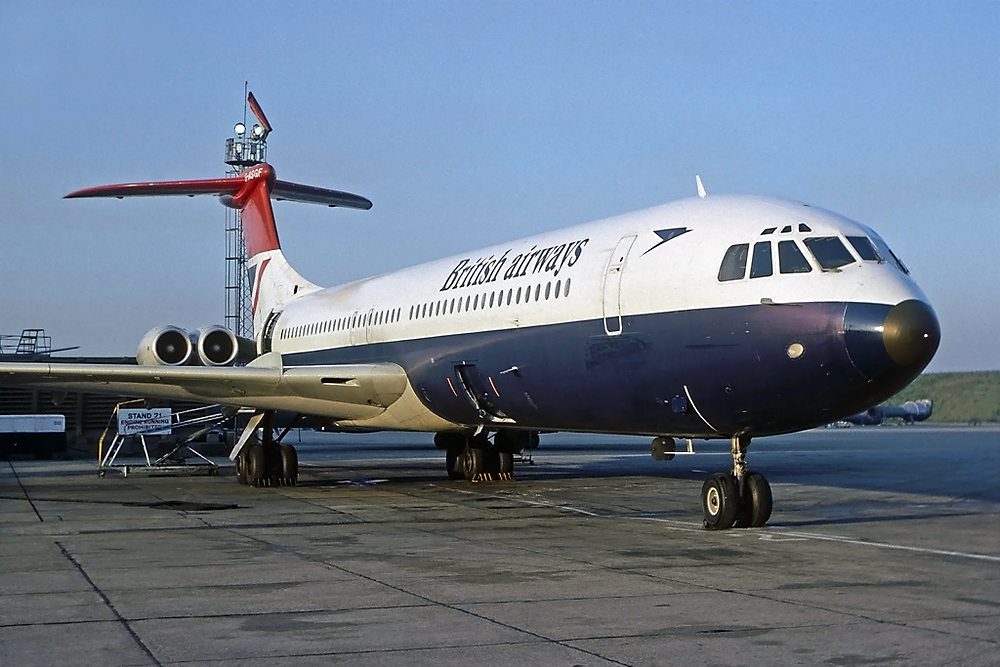
One of British Airways’ advertising slogans was “Try a little VC10derness”.
Legacy.
Vickers‑Armstrongs occupies a distinctive place in aviation history, remembered not only for the aircraft it produced but for the engineering philosophies it introduced. The company’s designs were often ahead of their time, combining structural ingenuity with practical performance. This forward‑thinking approach helped shape both military and civil aviation during the mid‑20th century.
One of the company’s most enduring contributions was the adoption of geodetic construction. This lattice‑based structural method, used most famously in the Wellington Bomber, demonstrated how strength and weight could be balanced in ways that improved survivability and performance. The concept influenced later aircraft designers and remains a celebrated example of British engineering innovation.
In civil aviation, Vickers‑Armstrongs helped define the early jet‑age experience. The Viscount introduced passengers to the smoothness and quietness of turboprop travel, becoming one of the most successful short‑haul airliners of its era. The VC10 continued this tradition of passenger comfort, offering a quiet cabin and strong performance from demanding airfields. Both aircraft earned loyal followings and contributed to Britain’s reputation for producing refined, capable airliners.
The company’s military designs also left a lasting mark. The Avro Vulcan became an icon of the Cold War, symbolising Britain’s strategic air power with its dramatic delta‑wing profile and nuclear deterrent role. Its presence in service for decades reflects the durability and ambition of Vickers‑Armstrongs’ engineering culture.
Although the company was eventually absorbed into larger aerospace organisations, its influence continued through the aircraft that remained in service long after production ended. Many of its designs introduced technologies, structural ideas and operational concepts that shaped future aircraft programmes. Today, Vickers‑Armstrongs is remembered as a pioneering manufacturer whose work helped define an important era in British aviation.