
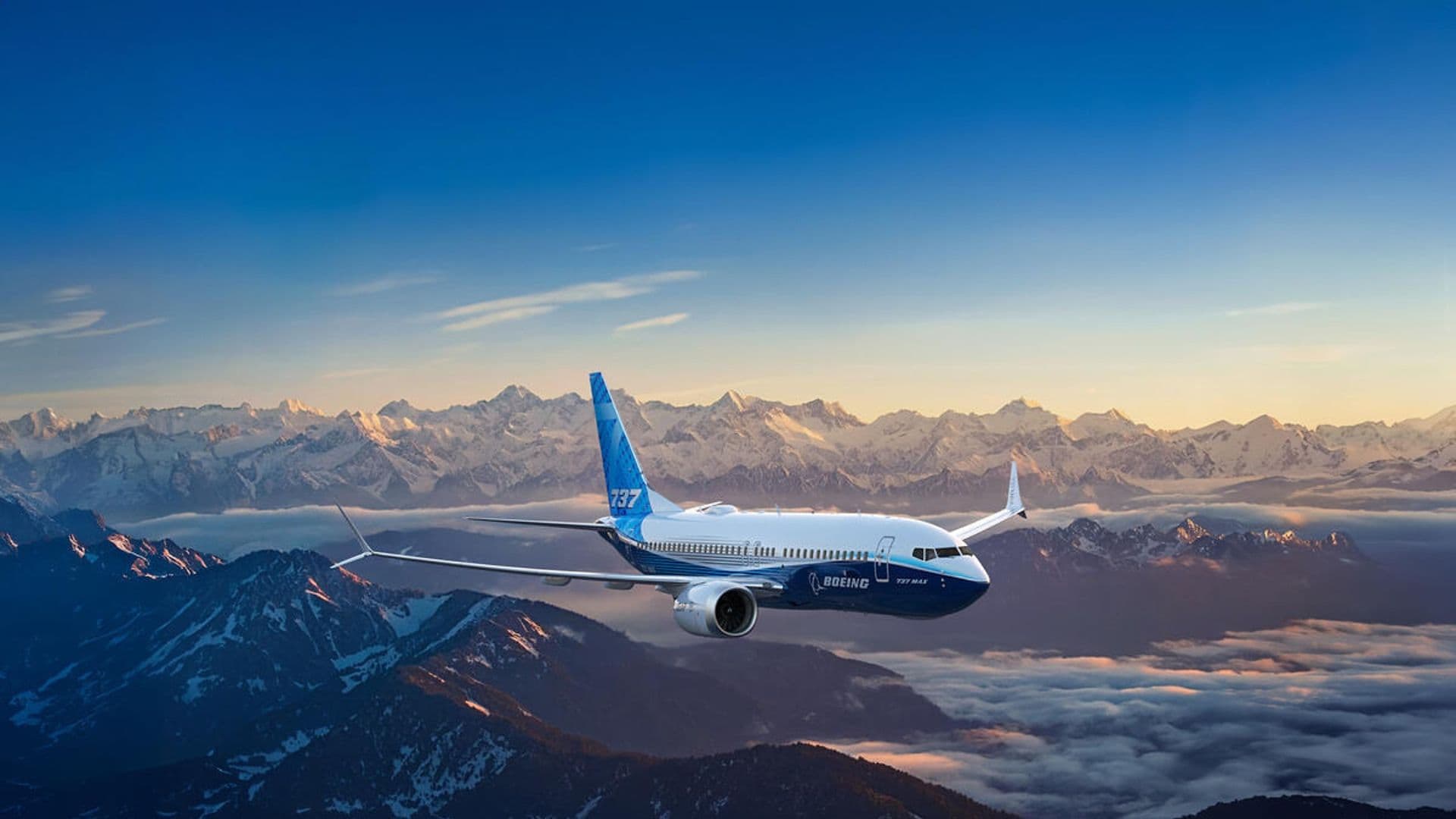
The Boeing 737‑7 has received its amended type certificate from the U.S. Federal Aviation Administration (FAA), clearing the smallest member of the 737 MAX family for commercial service. The approval, issued on 3 August 2026, concludes a multi‑year certification effort marked by expanded regulatory scrutiny, design changes, and extensive testing.
Background and Programme Delays
The 737‑7 first flew in 2018 and was originally expected to enter service in 2019. Its certification was delayed by new FAA requirements introduced after the MAX 8 accidents in 2018 and 2019, which resulted in a complete overhaul of Boeing’s certification oversight. Additional technical issues — notably the redesign of the engine anti‑ice (EAI) system — further extended the programme timeline.
The FAA’s updated processes required Boeing to demonstrate compliance through expanded system‑safety analyses, human‑factors reviews, and additional flight‑test work. These requirements also affected the 737‑10, which remains in certification.
Certification Testing and Regulatory Requirements
The 737‑7 programme accumulated:
- More than 1,000 hours of flight and ground testing
- 441 flight‑test sorties
- 349 hours of ground testing
- Comprehensive safety assessments and human‑factors evaluations
- A redesigned engine anti‑ice system to prevent inlet overheating
The FAA also required updates to:
- Flight‑control software
- Flightcrew alerting systems
- Safety‑critical systems associated with the Aircraft Certification, Safety, and Accountability Act
The agency emphasised that its heightened oversight of Boeing will continue, including on‑site monitoring of production processes and safety‑management systems.
Aircraft Characteristics and Performance
The 737‑7 is the smallest and longest‑range variant of the MAX family. Key characteristics include:
- 135–160 seats in typical two‑class configuration
- Range up to 3,800 nm (7,040 km), approximately 10% greater than other MAX variants
- 20% lower fuel burn and CO₂ emissions compared with previous‑generation aircraft
- 50% smaller noise footprint
The aircraft’s performance profile makes it well‑suited for high‑altitude airports, hot‑weather operations, and longer domestic routes where larger MAX variants may not be optimal.
Launch Customer and Entry‑Into‑Service Timeline
Southwest Airlines remains the principal future operator, with 269 orders for the 737‑7. The airline plans to replace its ageing fleet of more than 270 737‑700s. Boeing and Southwest are preparing the first aircraft for delivery, including updates to final configuration.
Although certification is complete, Southwest has indicated that passenger service will not begin until 2027, allowing time for updates to manuals, training, and operating specifications.
Programme Significance
The 737‑7 certification marks a critical step in Boeing’s industrial and financial recovery. It:
- Completes another major component of the MAX family
- Demonstrates Boeing’s compliance with strengthened FAA oversight
- Provides airlines with a smaller, long‑range narrowbody option
- Helps stabilise Boeing’s narrowbody production pipeline
The milestone also supports Boeing’s broader certification roadmap, which includes the 737‑10 and the 777‑9. The company expects lessons learned from the 737‑7 programme to accelerate future aircraft development.
Conclusion
The FAA’s certification of the Boeing 737‑7 closes a long and complex chapter in the MAX programme. With regulatory approval secured, Boeing can begin deliveries and Southwest Airlines can proceed with fleet‑replacement planning. The aircraft’s performance, efficiency, and range position it as a valuable addition to the MAX family and a significant development for operators requiring a smaller narrowbody with extended capability.