

Airbus A330.



HISTORY
ORDERS
SPECS
ASSEMBLY
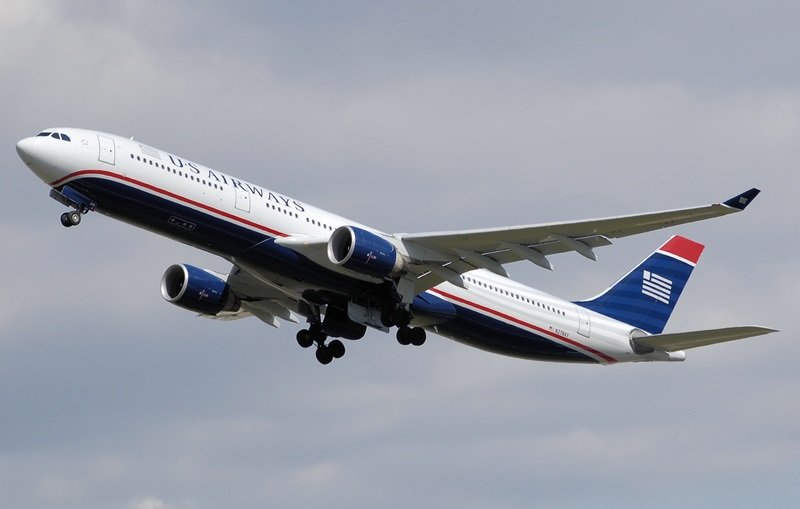
US Airways Airbus A330-300 Reg N278AY.
The Airbus A330 is a twin jet passenger transport that is designed for the medium to long-haul market as well as high density for short-haul.
Having been launched in 1993, the A330 was designed and built alongside the four-engine A340. The two models share many parts in common such as the fuselage. This was a time when moves were being made toward large twin-engine jets taking over long-haul routes that were traditionally the domain of large four-engine jets such as the Boeing 747. However, in some regions, the adage of four engines for over water was still relevant and the A340 filled that space neatly. The demand for the A340 died out and this model ceased production.
The Airbus A330, on the other hand, has enjoyed great success and has been further developed with the NEO (New Engine Option) version.
The Airbus A330 is one of the more graceful airliners, with its generous wingspan which almost equals that of the Boeing 747, but with a lesser area. In place of the typical Airbus wing fences at the wing tips, the A330 sports winglets that add to her grace.

Dragonair Airbus A330-300 Reg B-HYG landing in Hong Kong
This wide-body jetliner was first conceived in the 1970s as a replacement for Airbus Industries’ launch aircraft, the A300. Airbus also was planning a four-engine jetliner at this time for transoceanic services.
In the 1970s, the certification of twin jets to fly extended over-water routes was in its early days. ETOPS (Extended-range Twin-engine Operation) determined that before the aircraft type could be certificated to fly further than a given time from the nearest alternative airfield a certain number of proven flying hours had to be clocked up. Airbus used the combined hours of the entire fleet of its launch customers to log these hours.
The hours to achieve the ability to fly 120 minutes from an alternative was 25,000 hours flown and that for 180 minutes from an alternative was 50,000 hours flown.
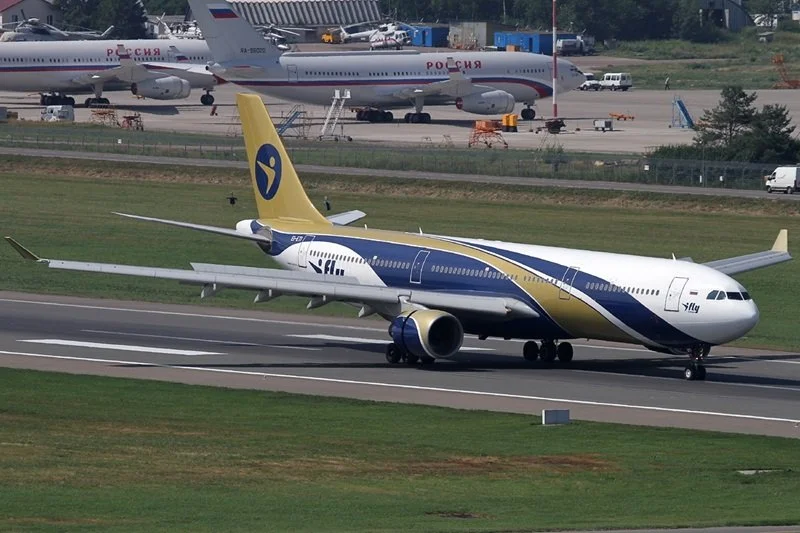
Airbus A330-322 I-Fly Airlines.
Airbus found that Asian carriers favoured the four-engine layout and were a ready market for the A340 quad jet, whilst the US market favoured twin jets. The A330 and A340 names were swapped around so that the four-engined aircraft had a four in its name.
The fuselage barrel for the A330 and A340 as well as the wing configuration was the same for both aircraft thereby reducing development costs and ensuring parts interchangeability. The fly-by-wire cockpit with a side control stick that was pioneered on the A320 family of aircraft was also applied to the A330 and A340.
This standardisation of Airbus flight decks enables the flight crew to transfer between the aircraft types with only a week’s training, a great saving to airlines, not having their crews tied up in training for long periods of time.
The Airbus A330 assembly, like other Airbus models, is a multi-nation, multi-company affair. All the major components such as; wings, fuselage pieces, engines, etc. are manufactured in their own plants in their own countries and then transported to the final assembly plant in Toulouse, France. The A330 assembly process was destined to be a very large undertaking for Airbus Industrie with significant new plant required.
ASSEMBLY
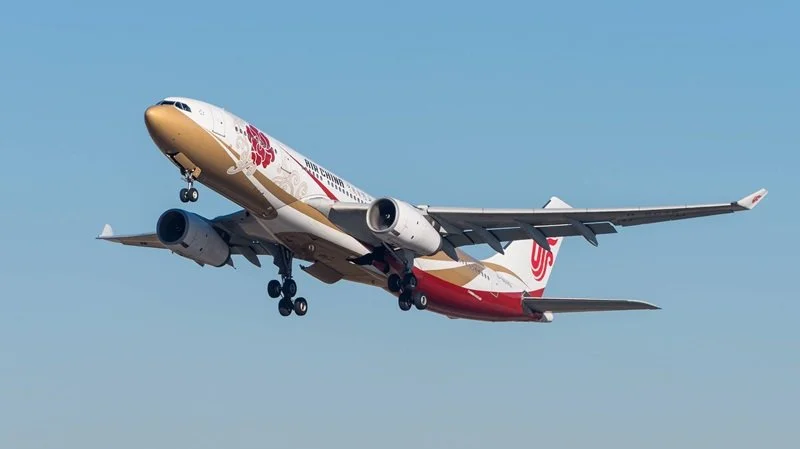
Air China Airbus A330-200
In preparation for the production of the Airbus Industrie A330, Airbus partners invested heavily in plant as follows:
| BAe, England | Filton – Seven million pounds was spent on a three-story technical centre with 15,000 square feet of floor space. Chester – Five million pounds was spent on a new wing production line. |
| Messerschmitt-Bolkow-Blohm, Germany | Bremen, Einswarden, Varel, Hamburg – Four hundred million Deutshe Marks were spent on various facilities in these German locations. |
| Aerospatiale, France | Toulouse-Blagnac Airfield – Two point five billion French Francs were spent on the new final assembly plant, the largest investment in this project. |
The above partner companies subcontracted out work to other companies in; Australia, Austria, Canada, China, Greece, Italy, India, Japan, South Korea, Portugal, the United States, and the country formerly known as Yugoslavia.
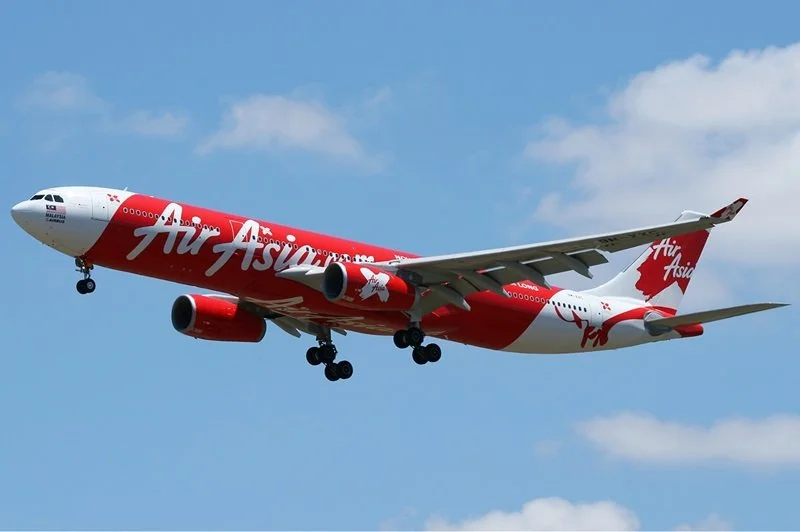
Air Asia X Airbus A330-300.

The station principal was adopted at the Toulouse assembly plant.
Station 40: The wings are joined to the fuselage in a very automated process. Eight robots are used, four on each side of the aircraft, two above and two below the wing.
Station 35: The three fuselage sections are mated and riveted together as well as the attachment of the tail section with horizontal stabilisers. The undercarriage with wheels is attached as well as engine pylons. This process once again is heavily automated with four robots moving around the subject on circular railways.
Station 30: Aircraft are transferred on their newly attached wheels to this large area that can house four aircraft at a time. Here the aircraft have their systems attached. Engineers move from aircraft to aircraft validating up to eighty-five systems.
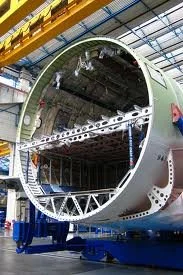
An Airbus A330 fuselage barrel section.
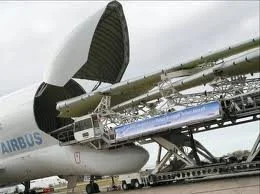
The A330 wings are loaded into the Beluga transport plane for shipping to the assembly line.
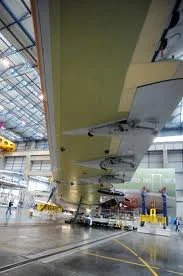
The wing is fitted to the fuselage and then flaps and other fixtures are added.
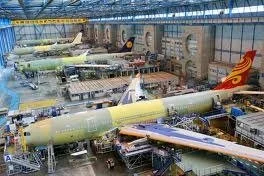
Airbus A330 in the assembly plant. Note the airline customer tails. Tails are always painted first due to the fact they need to be finely balanced.
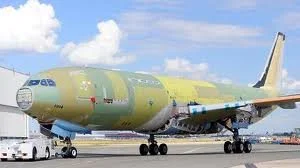
An Airbus A330 leaves the main assembly line and goes to be painted and fitted out.
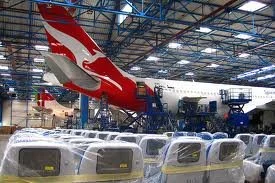
A fully painted QANTAS Airbus A330 is ready for its interior fit-out.
Outside: Completed aircraft are now moved outside the final assembly hangar where fuel and pressurisation testing is conducted. Engines are now attached and the cabins are fitted out. Engine run-up tests are conducted followed by flight testing. The aircraft once painted is now ready for delivery and acceptance.

SPECIFICATIONS

There were three original variants of the A330. The A330-200, the A330-300, and the freight version A330F.
On 14 July 2014, Airbus announced that they were commencing the A330NEO project. NEO stands for New Engine Option which featured to improved Rolls Royce Trent 7000 engine. There would also be other improvements to modernise this very popular airliner that has been a great seller for Airbus. The two new models would be known as the A330-800NEO and the A330-900NEO.
To help differentiate between the old and the new, the current models were renamed to A330-200CEO and A330-300CEO (CEO – Current Engine Option).
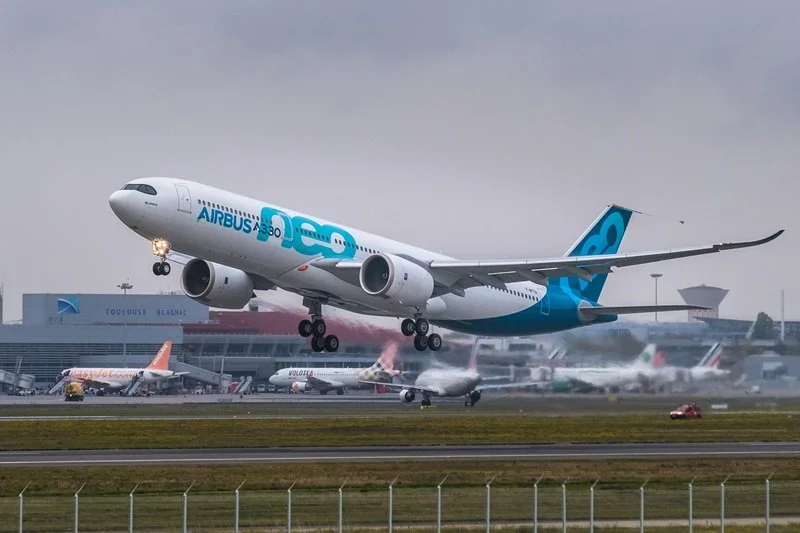
Airbus A330-900NEO testbed aircraft in Airbus house colours.

Airbus A330 Spec table.
|
|
A330-200F (Freight) |
|
|
|
|
|
|
13,430 km (7,250 NM) | 7,400 km (4,000 NM) | 10,830 km (5,850 NM) | 15,094 km (8,150 NM) | 13,334 km (7,200 NM) |
|
|
US$229.0 Million | US$232.2 Million | US$253.7 Million | US$249.6 Million | US$284.6 Million |
| Seating (Typical 3 Class) | 253 | N/A | 295 | 220-260 | 260-300 |
| Seating (Typical 2 Class) | 293 | N/A | 335 | Max. seating 406 | Max. seating 460 |
| Length | 58.82 M | 63.69 M | 58.82 M(193.0 ft) | 63.66 M(208.9 ft) | |
| Wing span | 60.3 M | 64 M | |||
| Tail Height | 17.39 M(57.1 ft) | 16.90 M(55.4 ft) | 16.83 M(55.2 ft) | 17.39 M(57.1 ft) | 16.79 M(55.1 ft) |
| Fuselage Width (Exterior) | 5.64 M | ||||
| Cabin width (Interior) | 5.28 M | ||||
| Wheelbase | 24.86 M(81.5 ft) | 28.67 M(94.0 ft) | 33.10 M(108.6 ft) | 24.86 M(81.5 ft) | 33.10 M(108.6 ft) |
| Freight Capacity | 136 M3 | 70 tonnes | 168.8 M3 | 132.4 M34,680 ft3 | 158.4 M35,590 ft3 |
| Operating Empty Weight | 119,600 kg(263,673 lb) | 109,000 kg(240,303 lb) | 124,500 kg(274,476 lb) | 132,000 kg(291,000 lb) | 137,000 kg(302,000 lb) |
| Maximum Take off Weight | 233,000 kg(515,882 lb) | 227,000 kg(500,449 lb) | 230,000 kg(507,063 lb) | 251,000 kg(553,000 lb) | |
| Takeoff distance at MTOW (Sea level) | 2,220 m (7,280 ft) | N/A | 2,500 m (8,200 ft) | TBA | TBA |
| Maximum Landing Weight | 180,000 kg | 185,000 kg | 186,000 kg | 191,000 kg | |
| Cruise Speed | Mach 0.82 | TBA | TBA | ||
| Maximum Cruise Speed | Mach 0.86, 496kts, 918KPH | ||||
| Maximum Operating Speed | Mach 0.89 | TBA | TBA | ||
| Maximum Fuel Capacity | 139,090 Litres | 139,090 L(36,740 US Gal, 111,272Kg, 245,313 lb) | |||
| Service Ceiling | 41,100 feet | 41,100 feet | 41,100 feet | 41,450 feet | |
| Maximum Service Ceiling | 42,651 feet | 42,651 feet | 42,651 feet | TBA | TBA |
| Engine Option 1 | General Electric CF6-80E1. 70,000 lbf (311 kN) | Pratt & Whitney PW4000. 70,000 lbf (311 kN) | General Electric CF6-80E1. 70,000 lbf (311 kN) | Rolls Royce Trent 7000-72. 68,000 lbf (300,000N) to 72,000lbf (320,000N) | |
| Engine Option 2 | Pratt & Whitney PW4000. 70,000 lbf (311 kN) | Rolls-Royce Trent 700. 71,100 lbf (316 kN) | Pratt & Whitney PW4000. 70,000 lbf (311 kN) | ||
| Engine Option 3 | Rolls-Royce Trent 700. 71,100 lbf (316 kN) | Rolls-Royce Trent 700. 71,100 lbf (316 kN) | |||
The Airbus A330 was conceived in the 1970s along with its sister aircraft the Airbus A340. At the time Airbus Industries was looking for a successor to its launch aircraft the Airbus A300. The combined offering of the Airbus A330 and A340 was planned to be a replacement for the Boeing 707 and the Douglas DC8 which were ending their domination of the intercontinental skies. They were also to be pitted against the McDonnell Douglas DC-10 and Lockheed L1011 Tristar, where the same capacity could be carried with a 25% saving in fuel.
The A330 and A340 started out their lives on the design books known respectively as A300B9 and the A300B11. This was later changed to TA9 and TA11 where TA stands for twin-aisle.
History.

Aircalin of New Caledonia Airbus 330-202 Reg F-OJSE Airframe MSN 510
By 1982 the design called for a single-class layout accommodating 410 passengers with a large underfloor cargo area able to double the capacity carried by the McDonnell Douglas DC10 or the Lockheed L1011 TriStar. The A330 was also now 8.46 metres (27.8 ft) longer than the A300.
June 1985 saw the addition of the “fly by wire” glass cockpit pioneered in passenger jets in the Airbus A320, as well as the side stick control.
The A300-600 stabiliser, rudder, and round sections of the fuselage would be retained but extended by two barrel sections.
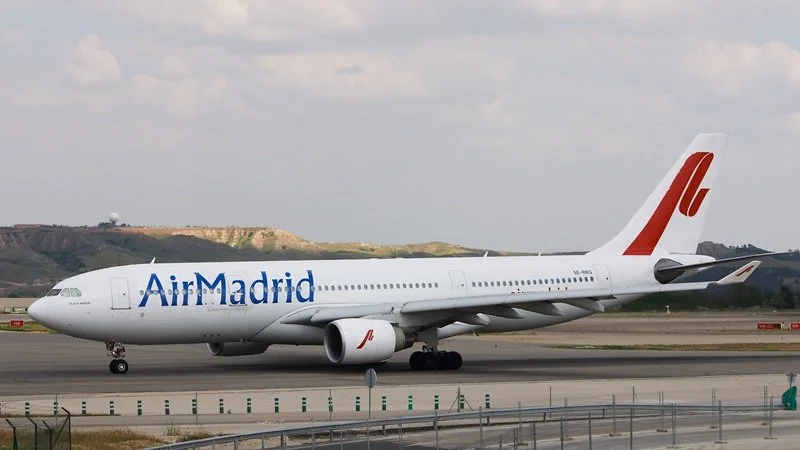
Airbus A330-223 of Air Madrid (Novair) Reg SE-RBG. Airframe MSN 362.
A study was conducted by British Aerospace(BAe) into the use of a variable camber wing which requires the changing of the wing shape during different phases of flight. It was rejected as too expensive for the gains to be made.
From the outset, the TA9 (A330) was to be offered with three engine options, initially: Rolls Royce with the Trent 600, General Electric with the CF6, and Pratt and Whitney with the PW4168. It was found that more thrust was required than that offered by the above other than Pratt and Whitney whose PW4168 was specifically developed for the A330. Rolls Royce developed the Trent 700 with an increased diameter to give 311 kN (70,000 lbf) of thrust. General Electric similarly increased the diameter to offer the CF6-80E1 delivering 300 to 320 kN (67,000 to 72,000 lbf) of thrust.
This was the first time Rolls Royce engines had been offered on an Airbus aircraft.
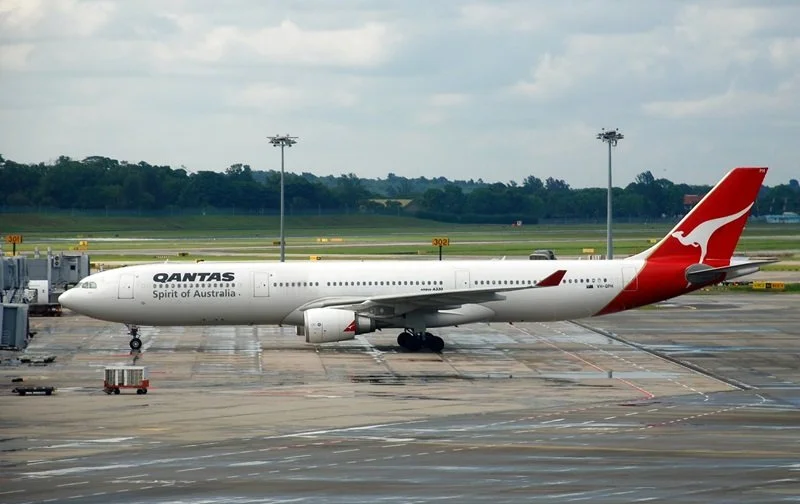
A QANTAS Airbus A330-303 in Singapore. Reg VH-QPH Airframe MSN 0695
Airbus A330 time line.
| Date | Event |
|---|---|
| 27 January 1986 | After an Airbus Industrie board meeting in Munich, a statement was released: Airbus Industrie is now in a position to finalise the detailed technical definition of the TA9, which is now officially designated the A330, and the TA11, now called the A340, with potential launch customer airlines, and to discuss with them the terms and conditions for launch commitments”. |
| 12 May 1986 | Airbus sent out proposals to the most likely airline launch customers for the A330, these included Lufthansa and Swissair |
| 12 March 1987 | The first orders for the A330 were received. Domestic French airline Air Inter ordered 5 aircraft with options for further 15. Thai Airways ordered four A330s with options for a further 4. |
| 13 March 1987 | Airbus indicated that both A330 and A340 aircraft would be formally launched in April and that A340 deliveries would start in May 1992 with A330 deliveries starting in 1993. |
| 31 March 1987 | Northwest Airlines signed for 10 A330 aircraft. |
| 05 June 1987 | Airbus launches the A330 program with 130 aircraft on its order books from 10 customers. |
| 1989 | Cathay Pacific signs for 9 aircraft, later increasing this to 11. |
| February 1992 | The first A330 wings were mated to the fuselage. This was the 10th A340/A330 air-frame on the line. |
| 31 March 1992 | The first A330 is rolled out decked in only anti-corrosion paint and minus its General Electric engines. |
| June 1992 | Northwest Airlines deferred its order of now 16 aircraft until 1994. |
| 14 October 1992 | The first finished A330 was rolled out of the hangar. |
| 02 November 1992 | The A330 had its maiden flight of 5 hours and 15 minutes. Height speed and other flight profiles were tested. At 181,840 kg (401,000 lb) which included 20,980 kg (46,300 lb) of test equipment, the A330 was the largest twinjet aircraft ever to have flown. This was soon beaten by the Boeing 777. |
| 21 October 1993 | The A330 received both the European Joint Aviation Authorities (JAA) and the Federal Aviation Administration(FAA) certificates after completing 1,114 hours of testing over 426 flights. |
| 30 June 1994 | Disaster struck when an A330 on a test flight crashed soon after takeoff while certifying a Pratt and Whitney engine. The investigation found that the cause was “slow response and incorrect actions by the crew during the recovery”. Airbus was required to amend the operating procedures. |
| 17 January 1994 | Domestic French carrier, Air Inter, became the first operator of the A330 using it on the Paris (Orly) to Marseille route. |
| 2nd Half 1994 | Thai Airways were the second carrier to receive their A330 following a delay caused by a problem with delamination of composite materials in the PW4168 engines reverse thrusters. It was put into service on the Bangkok to Taipei and Seoul routes. |
| 22 December 1994 | Cathay Pacific received their A330 powered by the newly certificated Trent 700s. |
| 01 February 1995 | Malaysia Airlines received their first A330. |
| 24 November 1995 | The Airbus Industrie Supervisory Board approve the development of the A330-200. This shorter, longer-range aircraft was a response to the falling sales of the 300 version and aimed at competing with the Boeing 767-300ER. |
| 13 August 1997 | The maiden flight of the Airbus A330 200 started a 16 month, 630-hour certification process. |
| 05 November 2009 | The A330-200F freighter version of the Airbus A330 200 made its maiden flight and began a 180-hour certification program. The aircraft was to replace the A300-600F. |
| November 2009 | The A330 was the first aircraft to receive ETOPS-240 certification. ETOPS(Extended-range Twin-engine Operation Performance Standards) is a standard that certifies that a twin-engine aircraft can operate a given distance from alternative airfields. This is determined by stringent testing and design standards. Airbus used the cumulative over water flying hours of early operators, particularly Cathay Pacific and Aer Lingus to gradually build up the ETOPS certification from 90 to 120 to 180 and then 240. The number refers to the number of minutes an aircraft must be from the nearest available airfield. |
| August 2011 | Of the 1,155 A330s ordered, 807 had been delivered. |
| February 2011 | Airbus announced they are lifting production from 7.5 planes per month to 9 planes per month on to 10 per month by 2013. |
| 14 July 2014 | At the Farnborough Airshow, Boeing announces the go-ahead of the A330neo program. |
| 19 November 2014 | TAP Air Portugal becomes the launch customer for the A330 900neo with an order for 25 aircraft. |
| 18 December 2014 | Hawaiian Airlines opens the order book for the A330 800neo with an order for 6 aircraft. This replaced their order for the A350 800. |
| 19 October 2017 | The first flight of the A330-900 which set off 1,400 hours of testing with 3 prototype aircraft. |
| 15 May 2018 | TAP Air Portugals first aircraft took its first flight and became the third test aircraft. |
| 26 September 2018 | EASA granted type certification for the A330-941 with ETOPS not yet approved. |
| 06 November 2018 | The maiden flight of the A330-800 took place. The 4 hour 4 minunte flight kicked off the 350 hour test program. |
| 14 November 2018 | ETOPS 180 minutes was approved for the A330-941 for enignes with less than 500 cycles. |
| 24 January 2019 | -ETOPS beyond 180 minutes was approved for the A330-941. |
| 13 February 2020 | The A330-800 EASA type certification including ETOPS 180 minutes. |
| 28 February 2020 | First flight of the 251t A330-900 with an increased MTOW of 251 tonnes(553,000 lb). This allowed for longer range as well a greater payload. |
| 02 April 2020 | The A330-800 received ETOPS clearance beyond 180 minutes. |
| 08 October 2020 | EASA certified the 251 t A330-900. |
| 29 October 2020 | The first two A330-800s were delivered to Kuwait Airways. |
| 20 November 2020 | The first revenue service of the A330-800 was operated by Kuwait Airways from Kuwait to Dubai. |
| 31 March 2021 | Corsair received the first 251t Airbus A330-900. |
| April 2022 | EASA certifies the 251t Airbus A330-800. |
Orders and Deliveries.
The Airbus A330 jet has been flying now for over 30 years. It has proven very popular on high-density short-haul routes as well as medium to long haul routes. This can be seen by looking at the Airbus A330 Orders and Deliveries.
A330 Order Book.
| Breakdown by variant |
A330-200 | A330-200F | A330-300 | A330-800 | A330-900 | Total |
| Orders | 664 | 38 | 784 | 11 | 267 | 1,764 |
| Deliveries | 652 | 38 | 776 | 7 | 82 | 1,555 |
| In Operation | 595 | 37 | 741 | 7 | 82 | 1,462 |
Correct as at end of November 2022.
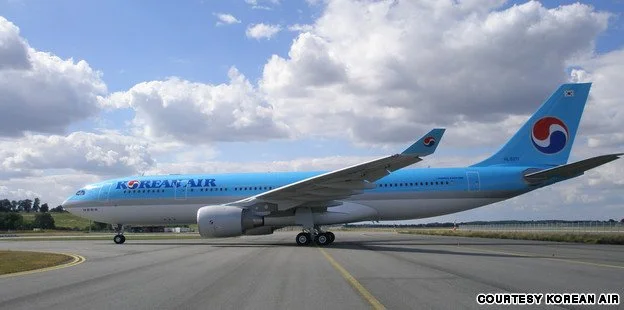
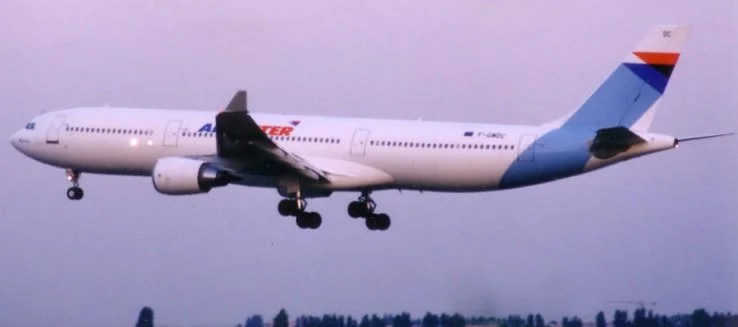
Korean Air was the launch customer for the shorter long-range variant, the Airbus Industries A330 200. Their aircraft was delivered on 27 February 2009.
Air Inter was the launch customer for the Airbus Industrie A330 300. The delivery was on 17 January 1994. The first flight was from Paris to Marseilles.
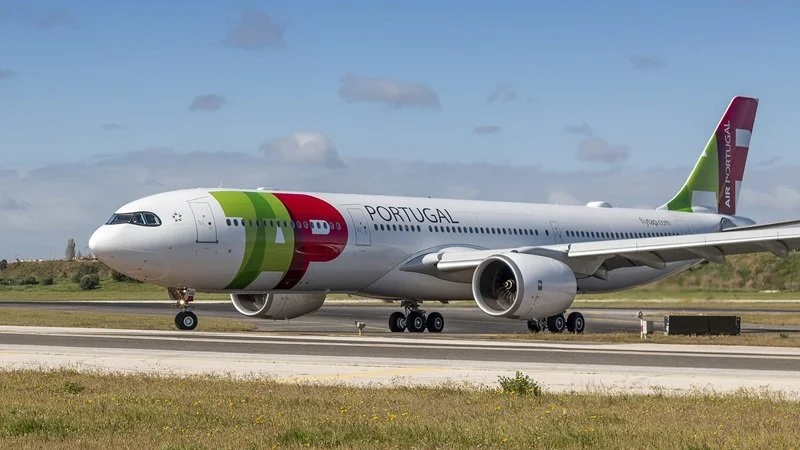
TAP Portugal was the launch customer for the Air A330-900 NEO. In a lease agreement with Avolon Aero, they took delivery of their first aircraft on 26 November 2018. Their first airframe is pictured here in Atlanta, Georgia on a showcase tour.
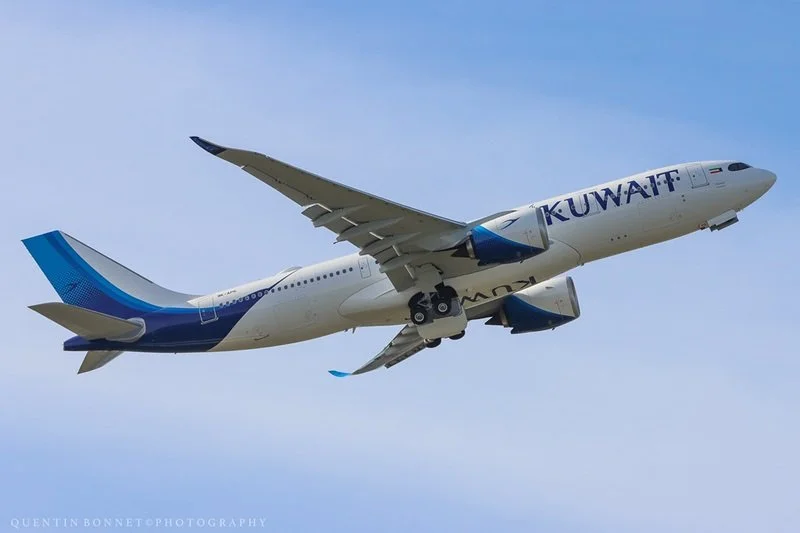
On 29 October 2020, the first two A330-800s were delivered to Kuwait Airways. The A330-800 then operated its first commercial flight on 20 November, flying the short distance between Kuwait and Dubai.
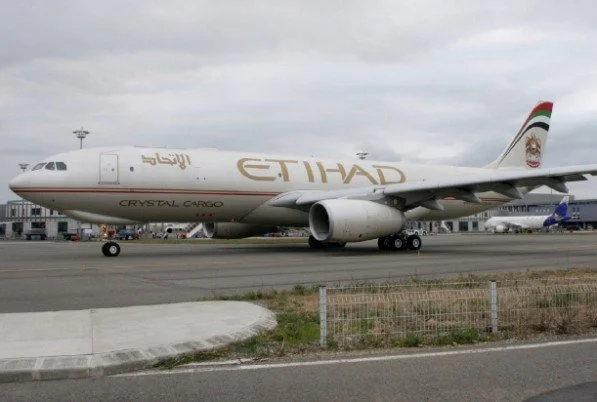
The first Airbus A330-200F was delivered to Etihad on 20 July 2010.
Note the bubble around the front wheel of the A330 freighter. To keep the deck straight whilst on the ground, the front gear strut was attached lower down to raise the nose.