
The Boeing 767 marked a major turning point for Boeing and for commercial aviation. Launched at a time when airlines were moving away from tri‑jets and three‑crew cockpits, the 767 introduced a new era of efficiency with its twin‑engine layout, advanced glass cockpit, and widebody comfort. It became one of the first aircraft to demonstrate that large twin‑engine airliners could safely and economically operate long‑haul routes under evolving ETOPS rules.
Designed alongside the narrowbody 757, the 767 shared a common flight deck and systems philosophy, allowing pilots to transition between the two types with minimal training. This commonality helped airlines streamline operations and reduce costs, making the 767 an attractive option for both medium‑range and long‑haul missions.
Over time, the 767 family expanded to include multiple fuselage lengths and extended‑range variants, culminating in the highly successful 767‑300ER and the dedicated 767‑300F freighter. Even decades after its introduction, the 767 remains in service worldwide, proving its durability, versatility, and long‑term value to airlines and cargo operators.
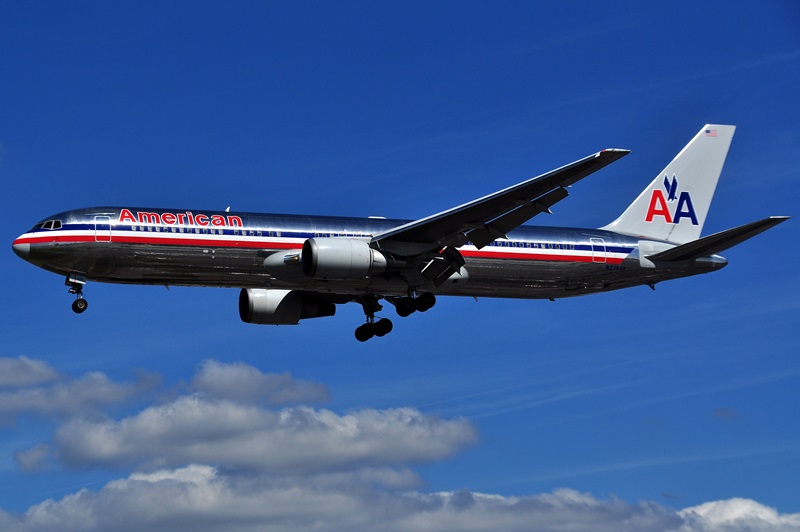

Boeing 767 — At a Glance
| Manufacturer | Boeing Commercial Airplanes |
| First Flight | 26 September 1981 |
| Entered Service | 1982 (United Airlines) |
| Role | Widebody twin‑engine airliner |
| Typical Seating | 181–269 passengers (variant dependent) |
| Range | Up to 11,070 km (767‑300ER) |
| Engines | Pratt & Whitney JT9D / PW4000, GE CF6, Rolls‑Royce RB211 |
| Flight Deck | Two‑crew glass cockpit |
| Notable | First widebody twin certified for long‑haul ETOPS operations |
Development Timeline
| Year | Milestone |
|---|---|
| Mid‑1970s | Boeing begins studies for a fuel‑efficient twin‑engine widebody to complement the 757. |
| 1978 | Program officially launched with United Airlines as the lead customer. |
| 1981 | First flight of the 767‑200 on 26 September. |
| 1982 | United Airlines introduces the 767‑200 into commercial service. |
| Mid‑1980s | 767 becomes one of the first aircraft certified for ETOPS long‑haul twin‑engine operations. |
| 1986 | Launch of the stretched 767‑300 variant. |
| 1988 | Introduction of the 767‑300ER, offering extended range for international routes. |
| 1995 | Debut of the 767‑300F dedicated freighter variant. |
| 2000s | Continued production driven by cargo demand and military interest. |
| 2010s–Present | KC‑46A tanker program extends the 767’s production life into the modern era. |
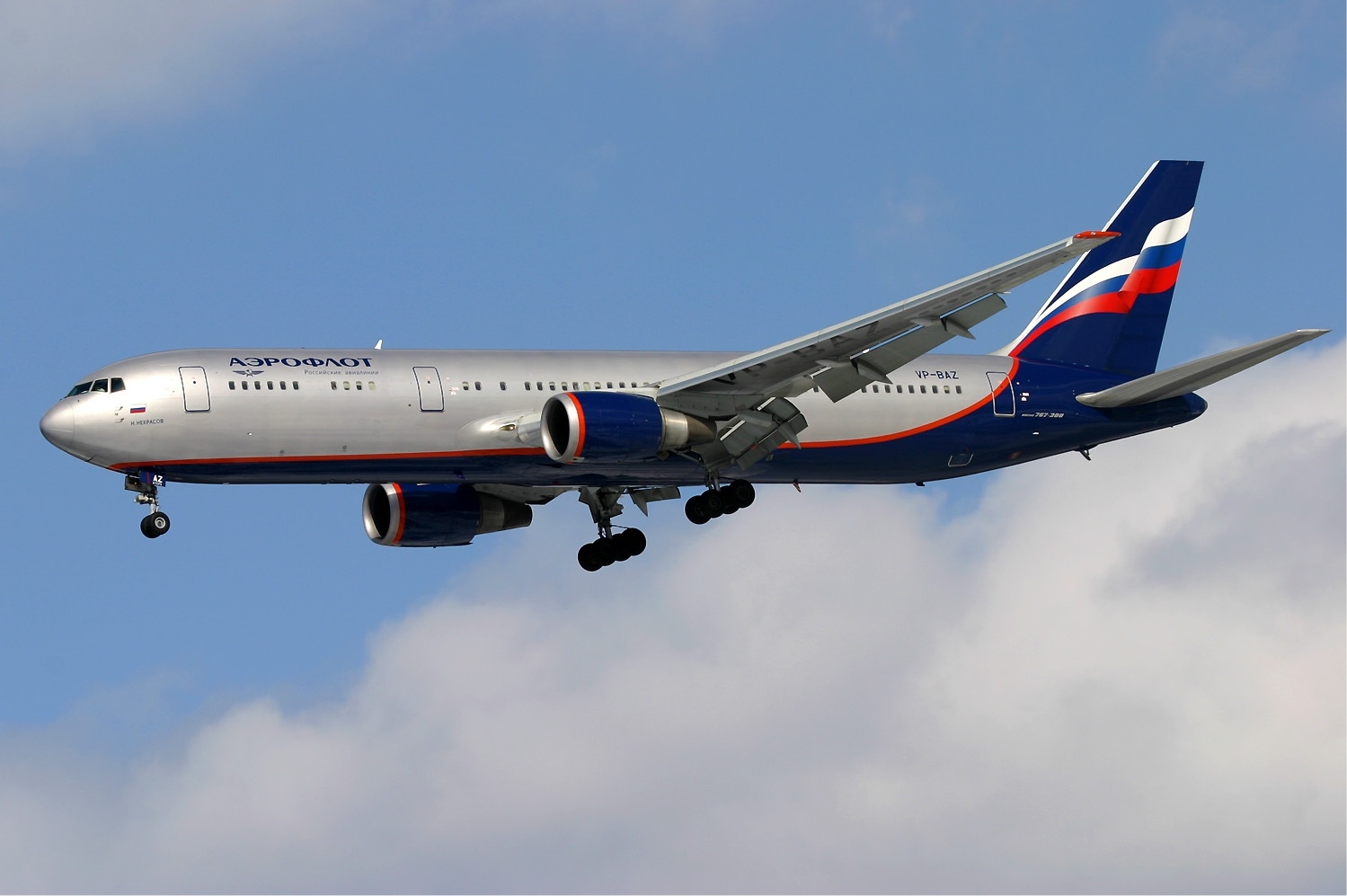

History
The Boeing 767 entered service at a time when airlines were seeking more fuel‑efficient aircraft to replace older tri‑jets and early widebodies. Its arrival marked a major shift in commercial aviation, proving that large twin‑engine aircraft could safely and efficiently operate medium‑ and long‑haul routes.
Development began in the mid‑1970s, when Boeing explored designs for a new widebody twin to complement the upcoming 757. The goal was to create an aircraft with lower operating costs, modern avionics, and a flexible cabin layout. In 1978, the program was officially launched with United Airlines as the lead customer.
The first 767‑200 took flight on 26 September 1981, demonstrating excellent handling and fuel efficiency. When United introduced the aircraft into service in 1982, airlines quickly recognised its advantages over the DC‑10 and L‑1011, particularly its two‑crew glass cockpit shared with the 757. This commonality reduced training costs and simplified fleet operations.
A major milestone came in the mid‑1980s when the 767 became one of the first aircraft certified for ETOPS operations. This allowed twin‑engine jets to fly long‑haul routes previously restricted to three‑ and four‑engine aircraft. The certification transformed global route planning and helped establish the 767 as a reliable long‑range performer.
Boeing expanded the family in 1986 with the stretched 767‑300, followed by the extended‑range 767‑300ER in 1988. These variants offered greater capacity and longer range, making them popular choices for transatlantic and transpacific services throughout the 1990s and early 2000s.
The 767 also found success in cargo and military roles. The 767‑300F freighter, launched in 1995, became one of the most widely used medium‑widebody cargo aircraft. In the 2010s, Boeing’s KC‑46A Pegasus tanker program extended the aircraft’s production life, providing aerial refuelling and transport capabilities for the United States Air Force and international customers.
Today, the Boeing 767 continues to serve airlines, cargo operators, and military forces worldwide. Its long production run, operational reliability, and versatility have made it one of Boeing’s most enduring widebody designs. While newer aircraft have entered the market, the 767 remains a vital part of global aviation—a testament to its efficient design and forward‑thinking engineering.
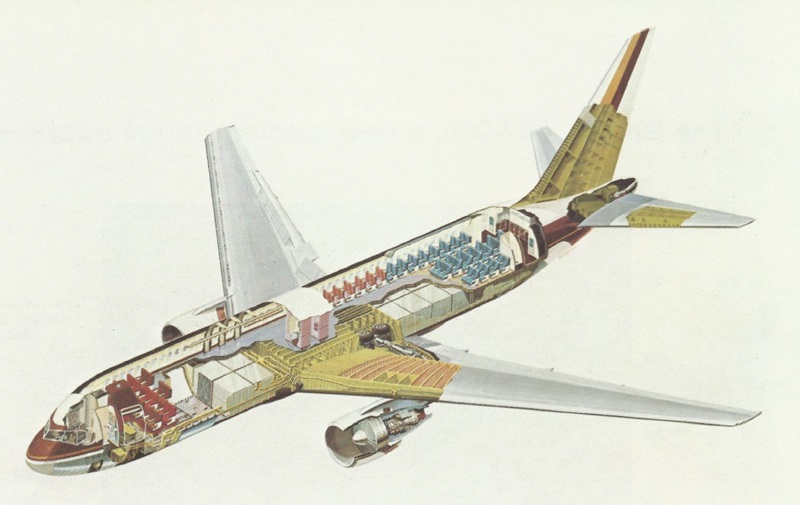
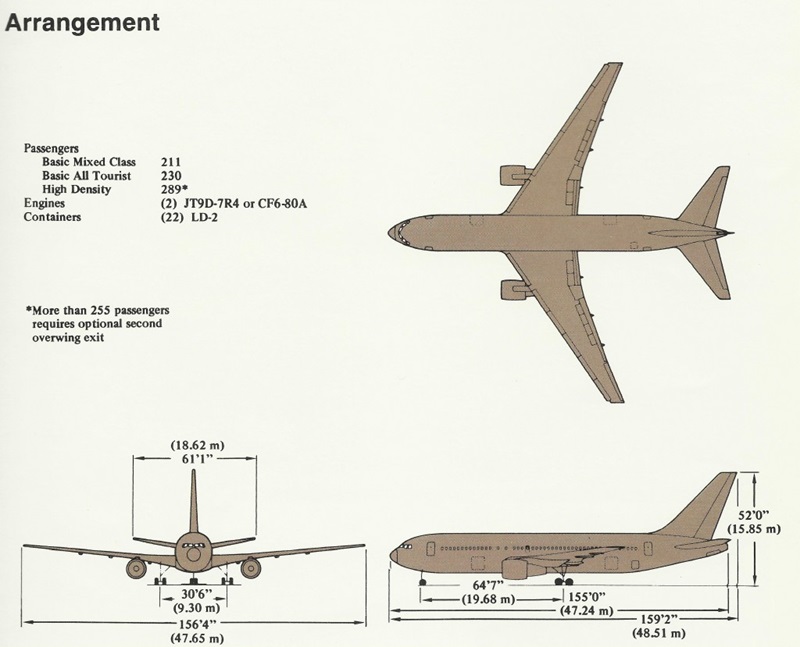
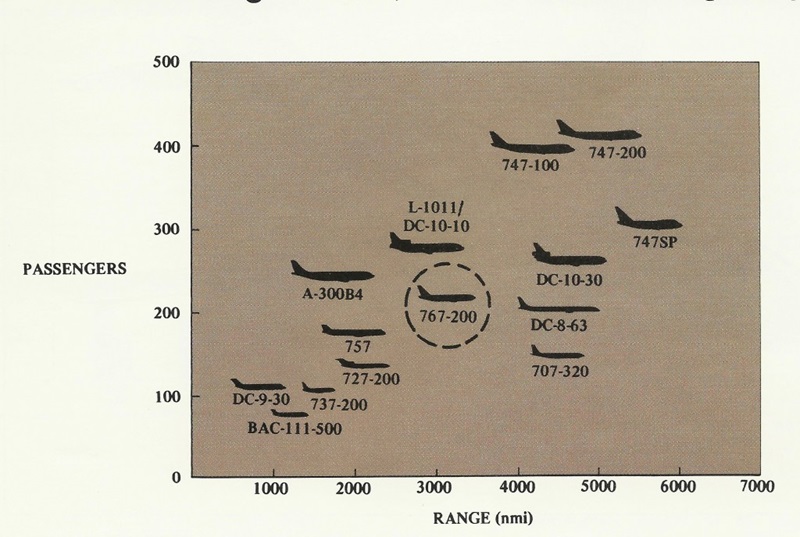
Specifications
| Category | 767‑200 | 767‑300 | 767‑300ER | 767‑400ER |
|---|---|---|---|---|
| Length | 48.5 m | 54.9 m | 54.9 m | 61.4 m |
| Wingspan | 47.6 m | 47.6 m | 47.6 m | 51.9 m |
| Height | 15.8 m | 15.8 m | 15.8 m | 16.8 m |
| Typical Seating | 181–255 | 218–269 | 218–269 | 245–304 |
| Cabin Width | 4.72 m | 4.72 m | 4.72 m | 4.72 m |
| Range | 7,130 km | 7,890 km | 11,070 km | 10,418 km |
| Cruise Speed | Mach 0.80 | Mach 0.80 | Mach 0.80 | Mach 0.80 |
| Maximum Speed | Mach 0.86 | Mach 0.86 | Mach 0.86 | Mach 0.86 |
| Service Ceiling | 43,100 ft | 43,100 ft | 43,100 ft | 43,100 ft |
| Engines | JT9D / CF6 / PW4000 | CF6 / PW4000 / RB211 | CF6 / PW4000 / RB211 | CF6‑80C2 / PW4062 |
| Thrust | 48,000–56,000 lbf | 48,000–63,300 lbf | 48,000–63,300 lbf | 62,000–63,300 lbf |
| Maximum Takeoff Weight | 143,000 kg | 158,800 kg | 186,880 kg | 204,570 kg |
| Maximum Landing Weight | 118,000 kg | 136,000 kg | 145,150 kg | 163,295 kg |
| Fuel Capacity | 75,356 L | 90,770 L | 90,770 L | 102,000 L |
 |
 |
Assembly
The Boeing 767 is assembled at Boeing’s Everett facility in Washington, the same site that produces the 747, 777, and 787. The production process follows a carefully coordinated sequence that brings together major structures from Boeing’s global supply chain.
The fuselage sections arrive from multiple manufacturing partners, with the forward, centre, and aft body sections positioned and joined on the main assembly line. The widebody structure is aligned using laser‑guided systems to ensure precise fit and aerodynamic accuracy.
The wings, built at Boeing’s wing manufacturing centre, are attached early in the assembly process. This stage includes installation of the main landing gear, hydraulic systems, and the extensive wiring looms that run throughout the aircraft. The 767’s wing design, optimised for long‑range efficiency, is a key contributor to its performance and fuel economy.
Once the primary structure is complete, the aircraft moves to the systems installation phase. Here, avionics, flight‑control computers, electrical systems, and cabin components are fitted. The 767’s cockpit, shared with the 757, is installed as a modular unit, reducing assembly time and ensuring consistency across the fleet.
Engine installation takes place near the end of the assembly process. The 767 is certified with several engine options, including the Pratt & Whitney JT9D and PW4000 series, the General Electric CF6, and the Rolls‑Royce RB211. Each engine type is mounted, tested, and integrated with the aircraft’s fuel and control systems.
After assembly, the aircraft enters the paint hangar, where it receives its airline livery. It then undergoes a comprehensive series of ground tests, including pressurisation checks, control‑surface calibration, and engine run‑ups. The final stage is the first flight, conducted by Boeing’s test pilots to verify performance, handling, and systems reliability.
The 767’s efficient assembly process has contributed to its long production life, supporting passenger, cargo, and military variants for more than four decades. Its modular design and proven manufacturing techniques continue to make it one of Boeing’s most reliable widebody platforms.
Orders & Deliveries
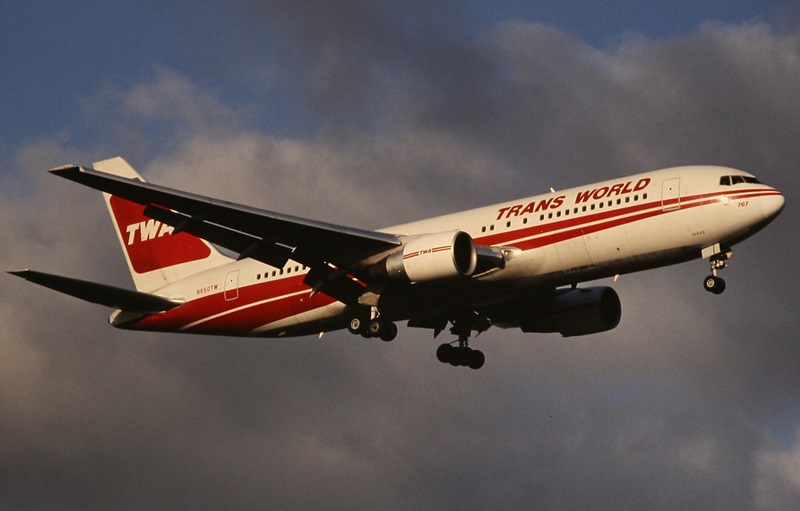
The Boeing 767 has enjoyed a long and successful production run, with strong demand from passenger airlines, cargo operators, and military customers. Its versatility across multiple roles has ensured steady orders throughout its lifetime, particularly for the 767‑300ER and 767‑300F. The KC‑46A tanker program continues to extend production into the modern era.
Customers of the Boeing 767.
Major Operators
| Airline / Variant | Orders | Deliveries |
|---|---|---|
| United Airlines | 105 | 82 |
| 767‑200 | 39 | 19 |
| 767‑200ER | 10 | 10 |
| 767‑300ER | 40 | 37 |
| 767‑400ER | 16 | 16 |
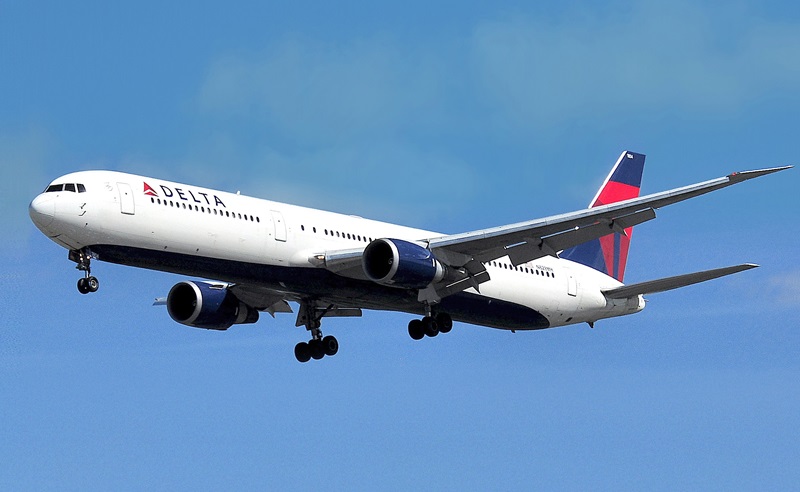
| Delta Air Lines | 117 | 117 |
| 767‑200 | 15 | 15 |
| 767‑300 | 28 | 28 |
| 767‑300ER | 53 | 53 |
| 767‑400ER | 21 | 21 |
| American Airlines | 111 | 88 |
| 767‑200 | 30 | 13 |
| 767‑200ER | 17 | 17 |
| 767‑300ER | 64 | 58 |
| All Nippon Airways | 103 | 96 |
| 767‑200 | 25 | 25 |
| 767‑300 | 34 | 34 |
| 767‑300ER | 40 | 33 |
| 767‑300F | 4 | 4 |
| Japan Airlines | 60 | 60 |
| 767‑200 | 3 | 3 |
| 767‑300 | 22 | 22 |
| 767‑300ER | 32 | 32 |
| 767‑300F | 3 | 3 |
| British Airways | 28 | 28 |
| 767‑300ER | 28 | 28 |
| LATAM Airlines Group | 42 | 42 |
| 767‑300ER | 34 | 34 |
| 767‑300F | 8 | 8 |
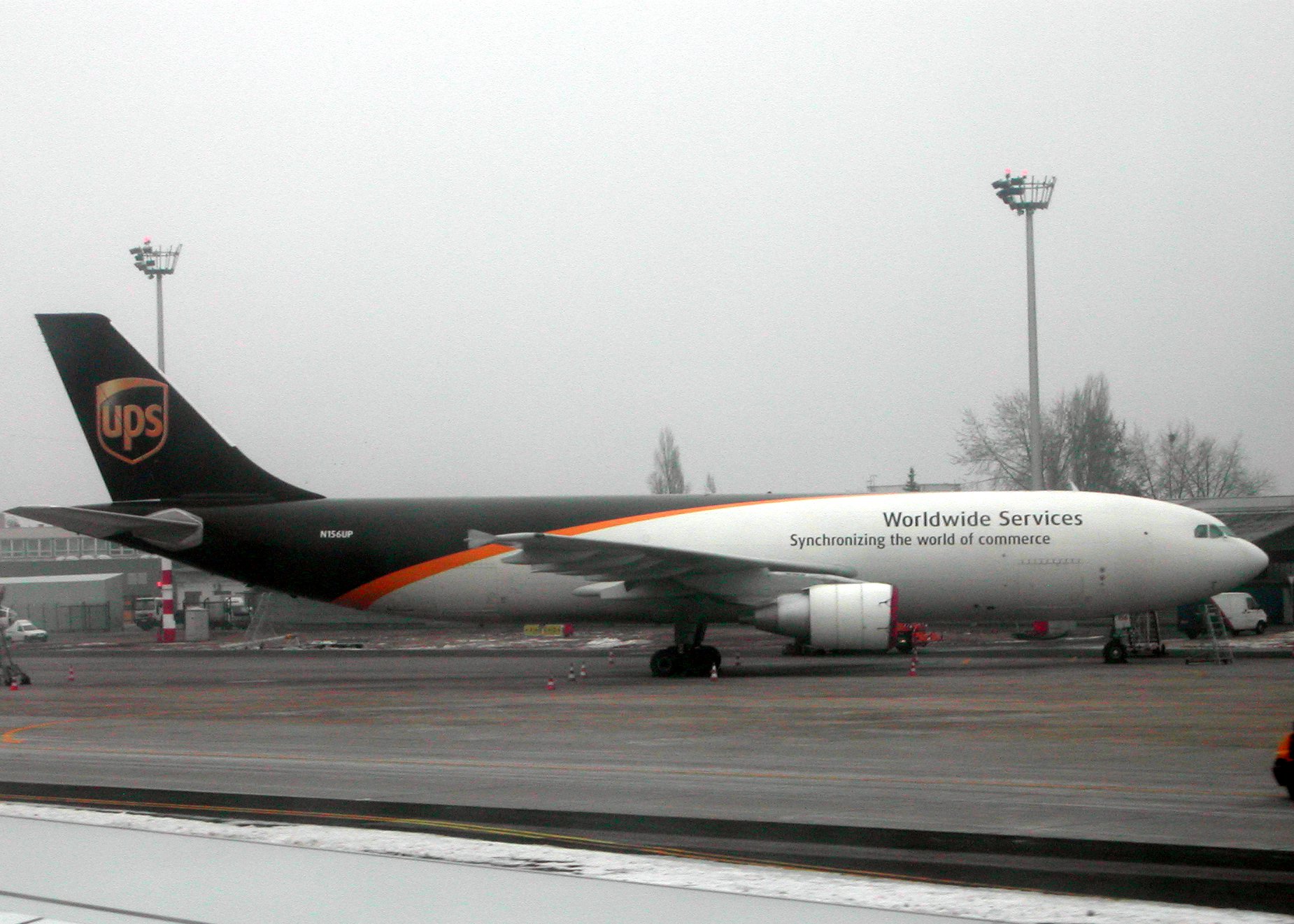
| UPS | 99 | 72 |
| 767‑300F | 99 | 72 |
| FedEx Express | 150 | 123 |
| 767‑300F | 150 | 123 |
Medium Operators
| Airline / Variant | Orders | Deliveries |
|---|---|---|
| Air Canada | 32 | 27 |
| 767‑200 | 12 | 10 |
| 767‑200ER | 9 | 9 |
| 767‑300ER | 9 | 6 |
| 767‑300F | 2 | 2 |
| Air China | 10 | 10 |
| 767‑200ER | 6 | 6 |
| 767‑300 | 4 | 4 |
| Air France | 10 | 3 |
| 767‑300ER | 10 | 3 |
| Air New Zealand | 8 | 8 |
| 767‑200ER | 3 | 3 |
| 767‑300ER | 5 | 5 |
| Air Astana | 4 | 3 |
| 767‑300ER | 4 | 3 |
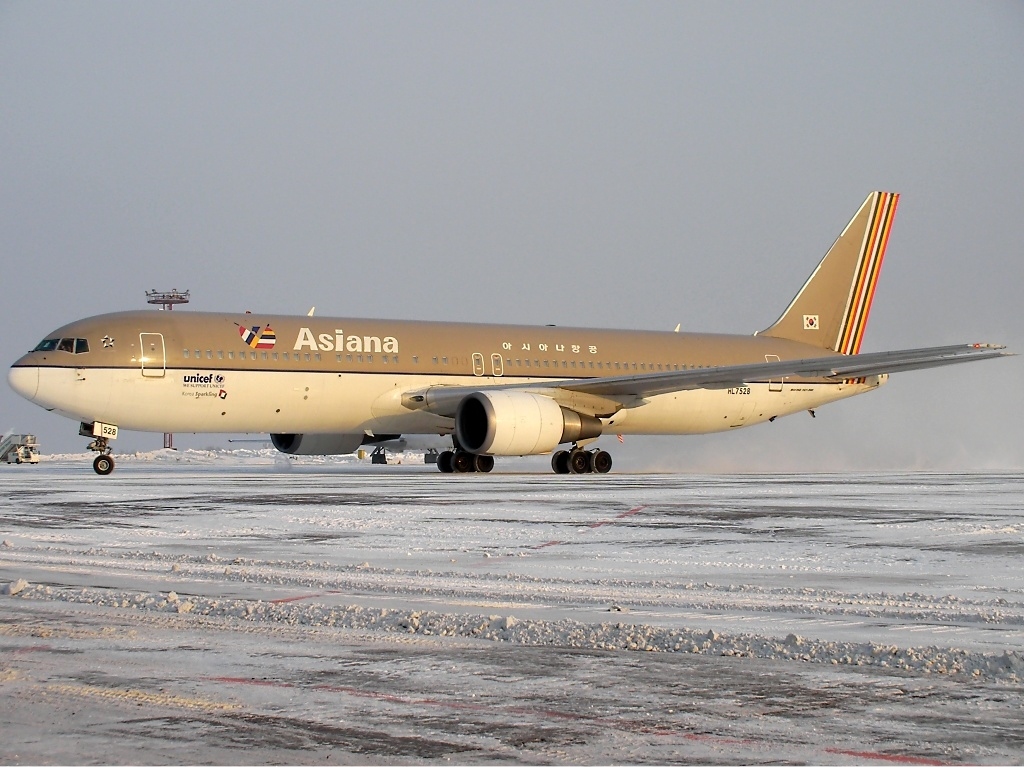
| Asiana Airlines | 18 | 12 |
| 767‑300 | 14 | 9 |
| 767‑300ER | 2 | 2 |
| 767‑300F | 2 | 1 |
| Ethiopian Airlines | 6 | 6 |
| 767‑200ER | 3 | 3 |
| 767‑300ER | 3 | 3 |
| EVA Air | 10 | 8 |
| 767‑200 | 4 | 4 |
| 767‑300 | 2 | 0 |
| 767‑300ER | 4 | 4 |
| Hainan Airlines | 3 | 3 |
| 767‑300ER | 3 | 3 |
| Gulf Air | 20 | 20 |
| 767‑300ER | 20 | 20 |
| Kazakhstan Airlines | 5 | 1 |
| 767‑200ER | 1 | 1 |
| 767‑300ER | 4 | 0 |
| LOT Polish Airlines | 5 | 5 |
| 767‑200ER | 2 | 2 |
| 767‑300ER | 3 | 3 |
| Lauda Air | 7 | 7 |
| 767‑300ER | 7 | 7 |
| Scandinavian Airlines | 18 | 16 |
| 767‑200 | 2 | 0 |
| 767‑200ER | 2 | 2 |
| 767‑300ER | 14 | 14 |
Small Operators
| Airline / Variant | Orders | Deliveries |
|---|---|---|
| Air Algerie | 3 | 3 |
| 767‑300 | 3 | 3 |
| Aeromaritime | 3 | 3 |
| 767‑200ER | 2 | 2 |
| 767‑300ER | 1 | 1 |
| Air Zimbabwe | 2 | 2 |
| 767‑200ER | 2 | 2 |
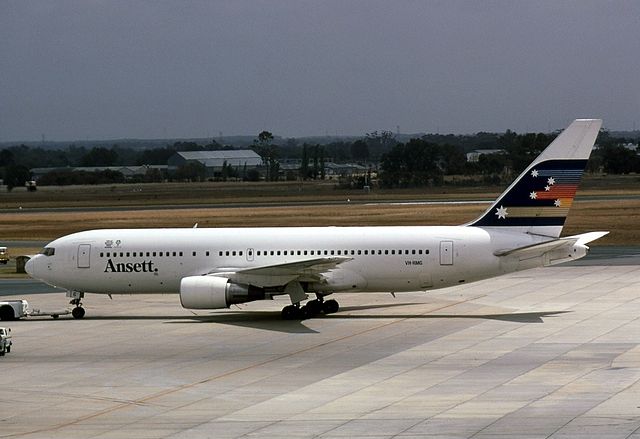
| Ansett Australia | 5 | 5 |
| 767‑200 | 5 | 5 |
| Avianca | 5 | 2 |
| 767‑200 | 3 | 0 |
| 767‑200ER | 2 | 2 |
| Avianca El Salvador | 3 | 3 |
| 767‑200 | 1 | 1 |
| 767‑300ER | 2 | 2 |
| Azerbaijan Airlines | 5 | 5 |
| 767‑300ER | 3 | 3 |
| 767‑300F | 2 | 2 |
| BOC Aviation | 3 | 3 |
| 767‑300ER | 3 | 3 |
| Business Jet / VIP Customer | 1 | 1 |
| 767‑400ER | 1 | 1 |
| Canadian Airlines | 14 | 14 |
| 767‑300ER | 14 | 14 |
| China Airlines | 2 | 2 |
| 767‑200 | 2 | 2 |
| China Eastern Yunnan Airlines | 3 | 3 |
| 767‑300ER | 3 | 3 |
| Condor Flugdienst | 13 | 11 |
| 767‑300ER | 13 | 11 |
| CP Air | 4 | 0 |
| 767‑200 | 4 | 0 |
| DAE Aerospace Enterprise | 33 | 33 |
| 767‑200ER | 4 | 4 |
| 767‑300ER | 29 | 29 |
| EgyptAir | 5 | 5 |
| 767‑200ER | 3 | 3 |
| 767‑300ER | 2 | 2 |
| EL AL Israel Airlines | 6 | 4 |
| 767‑200 | 4 | 2 |
| 767‑200ER | 2 | 2 |
| Fiji Airways | 1 | 0 |
| 767‑300ER | 1 | 0 |
| Flightlease | 4 | 4 |
| 767‑300ER | 4 | 4 |
| GATX Financial Corporation | 1 | 1 |
| 767‑200ER | 1 | 1 |
| ITOCHU AirLease B.V. | 3 | 3 |
| 767‑300ER | 3 | 3 |
| ITOCHU Corporation | 4 | 4 |
| 767‑200ER | 4 | 4 |
| Kenya Airways | 3 | 0 |
| 767‑400ER | 3 | 0 |
| Kuwait Airways | 3 | 3 |
| 767‑200ER | 3 | 3 |
| LAM | 1 | 1 |
| 767‑200ER | 1 | 1 |
| MIAT Mongolian Airlines | 1 | 1 |
| 767‑300ER | 1 | 1 |
| Mid East Jet | 1 | 1 |
| 767‑200ER | 1 | 1 |
| MyTravel Airways | 3 | 3 |
| 767‑300ER | 3 | 3 |
| Pacific Western Airlines | 4 | 2 |
| 767‑200 | 4 | 2 |
| PACE Airlines | 6 | 6 |
| 767‑200ER | 6 | 6 |
| Presidential Flight | 1 | 1 |
| 767‑300ER | 1 | 1 |
| Royal Brunei Airlines | 2 | 2 |
| 767‑300ER | 2 | 2 |
| SAS Norway | 2 | 2 |
| 767‑200 | 2 | 2 |
| Tanzania | 1 | 0 |
| 767‑300F | 1 | 0 |
| Thai Airways International | 2 | 0 |
| 767‑200 | 2 | 0 |
| Transbrasil | 3 | 3 |
| 767‑200 | 3 | 3 |
| TUI Travel PLC | 18 | 18 |
| 767‑200 | 11 | 11 |
| 767‑300ER | 7 | 7 |
| Turkmenhowayollary Agency | 1 | 1 |
| 767‑300ER | 1 | 1 |
| TWA | 10 | 10 |
| 767‑200 | 10 | 10 |
| Unidentified Customer(s) | 10 | 4 |
| 767‑200ER | 1 | 1 |
| 767‑300ER | 8 | 3 |
| 767‑400ER | 1 | 0 |
Cargo Operators
| Operator / Variant | Orders | Deliveries |
|---|---|---|
| Martinair Cargo | 6 | 6 |
| 767‑300ER | 6 | 6 |
| Azerbaijan Airlines (Cargo) | 2 | 2 |
| 767‑300F | 2 | 2 |
| Air Canada Cargo | 2 | 2 |
| 767‑300F | 2 | 2 |
| LATAM Cargo | 8 | 8 |
| 767‑300F | 8 | 8 |
| ANA Cargo | 4 | 4 |
| 767‑300F | 4 | 4 |
| JAL Cargo | 3 | 3 |
| 767‑300F | 3 | 3 |
Military & Government Operators
| Operator / Variant | Orders | Deliveries |
|---|---|---|
| Government Executive & Private Jets | 2 | 2 |
| 767‑200 | 2 | 2 |
| Tanzania Government | 1 | 0 |
| 767‑300F | 1 | 0 |
| Presidential Flight (UAE) | 1 | 1 |
| 767‑300ER | 1 | 1 |
| Mid East Jet | 1 | 1 |
| 767‑200ER | 1 | 1 |
Leasing Companies
| Leasing Company / Variant | Orders | Deliveries |
|---|---|---|
| DAE Aerospace Enterprise | 33 | 33 |
| 767‑200ER | 4 | 4 |
| 767‑300ER | 29 | 29 |
| Flightlease | 4 | 4 |
| 767‑300ER | 4 | 4 |
| GATX Financial Corporation | 1 | 1 |
| 767‑200ER | 1 | 1 |
| ITOCHU AirLease B.V. | 3 | 3 |
| 767‑300ER | 3 | 3 |
| ITOCHU Corporation | 4 | 4 |
| 767‑200ER | 4 | 4 |
| BOC Aviation | 3 | 3 |
| 767‑300ER | 3 | 3 |
Grand Total
| Category | Total Orders | Total Deliveries |
|---|---|---|
| All Boeing 767 Customers | 1560 | 1271 |
Legacy
The Boeing 767 has earned a lasting place in commercial aviation as one of the most versatile and reliable widebody aircraft ever built. Introduced during a period of major technological change, it helped redefine what twin‑engine jets could achieve, proving that large twins were capable of safely and efficiently operating long‑haul routes once dominated by tri‑jets and four‑engine aircraft.
Its early adoption of ETOPS certification was a turning point for the industry. The 767 demonstrated that extended‑range twin‑engine operations could be conducted with confidence, opening new transatlantic and transpacific routes and paving the way for aircraft such as the 777 and 787. In many ways, the 767 was the bridge between the classic widebody era and the modern generation of fuel‑efficient long‑range twins.
The aircraft’s adaptability has been central to its longevity. The 767‑300ER became a favourite for international airlines throughout the 1990s and 2000s, offering a balance of range, capacity, and operating economics that suited both premium and leisure markets. At the same time, the 767‑300F established itself as one of the most successful medium‑widebody freighters, forming the backbone of fleets operated by FedEx, UPS, DHL, and other major cargo carriers.
The 767’s influence extends beyond commercial service. The KC‑46A Pegasus tanker program has ensured continued production into the modern era, providing aerial refuelling, cargo transport, and medical evacuation capabilities for military operators. This ongoing demand highlights the strength of the aircraft’s design and its ability to evolve with new roles and requirements.
Today, more than four decades after its first flight, the Boeing 767 remains a familiar sight in skies around the world. Its reputation for reliability, efficiency, and operational flexibility has secured its place as one of Boeing’s most enduring widebody platforms. The 767’s legacy is defined not only by its long service life, but by the way it helped shape the future of twin‑engine long‑haul travel.