
A
B
C
D
E
F
G
H
I
J
K
L
M
N
O
P
Q
R
S
T
U
V
W
X
Y
Z
Welcome to our glossary of aviation terms. Like every niche or industry, aviation is filled with a plethora of perplexing and bewildering terms. Of course, aviation is rich in technology that is used nowhere else and, therefore, is not familiar to most people.
Our aim here is to cover and explain as many of those terms as possible, as clearly as possible. It is a work in progress as new terms come to hand as new technologies or ways of doing things are introduced. If you feel there are terms we do not yet cover please feel free to leave a comment at the bottom of the page. We will research and add information as soon as possible.
Aviation Terms – A

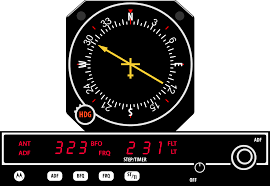
The ADF or Automatic Direction Finder is a navigational instrument that is used for marine and aviation. The instrument consists of a needle that is mounted over a compass rose.
Its use is to be tuned to radio stations on the ground which broadcast in LW, typically 190 – 535 kHz. These can be either AM stations or purpose-made NDBs (Non-Directional Beacons). Pilots can then either fly toward the beacon or use the direction to work out their relative position.
ADF – Automatic Direction Finder
Ailerons
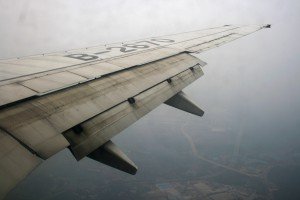
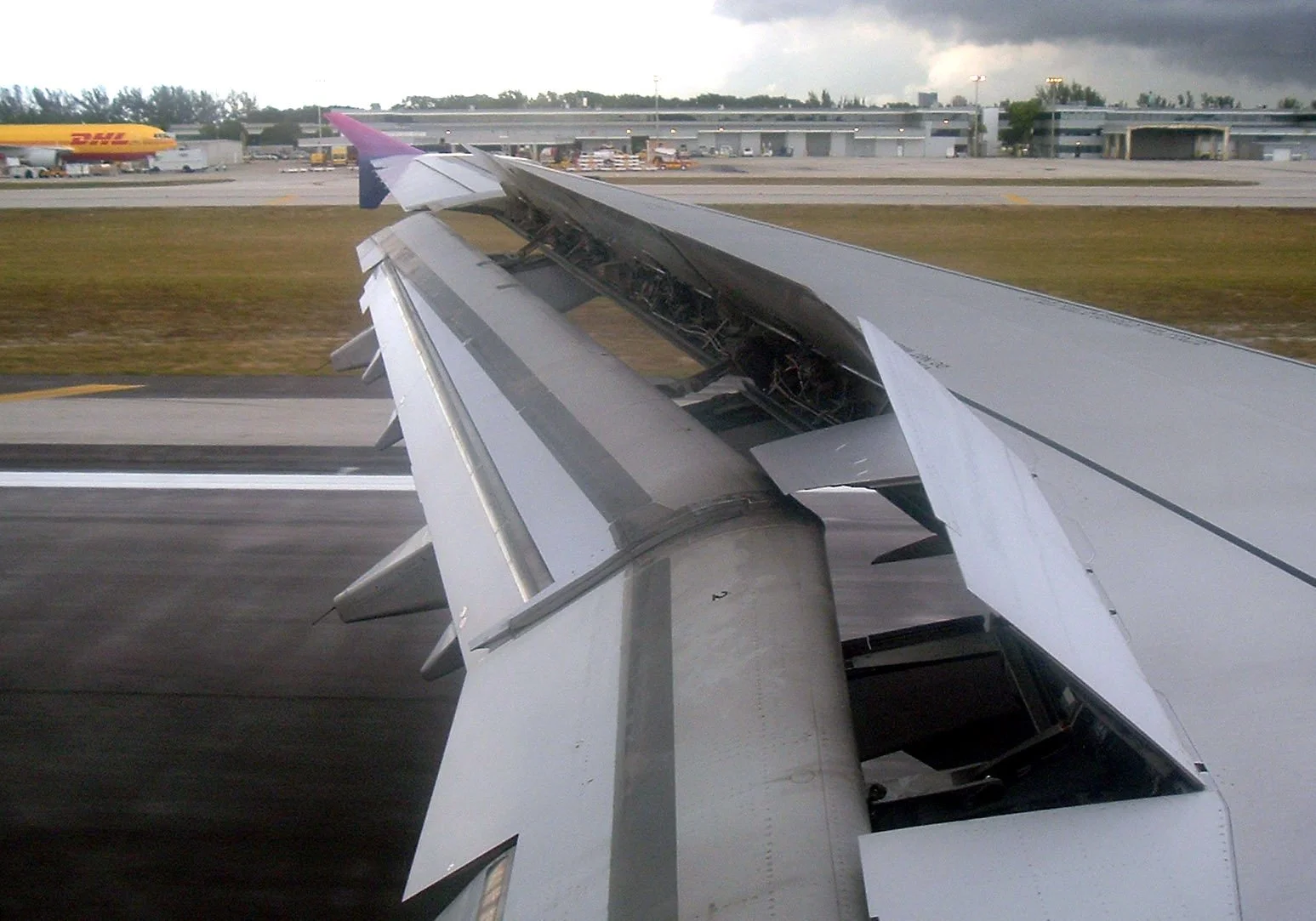
An aircraft’s ailerons are located on the trailing outer edge of the main wings. Their purpose is to control the roll of the aircraft to the left or the right.
For most aircraft, the ailerons are used to induce a turn to the left or right by rolling the aircraft in the direction desired. Banking the aircraft to the left, for example, will induce a turn in that direction. The balance and the smoothness of the turn can be controlled by the rudder and the elevators. The ailerons operate like a movable part of the rear of the wings and are interconnected to each other and the pilot’s control column.
As one aileron goes up, the one on the opposing wing goes down. The aileron going down will have a similar effect to a wing flap and create extra lift which will cause that wing to go up. On the opposite wing, the aileron going up will have the opposite effect, reducing lift, and causing that wing to go down.
This will then cause the desired effect of a roll and turn in the direction the pilot desires. These are controlled by turning the control column, or the joystick from side to side.
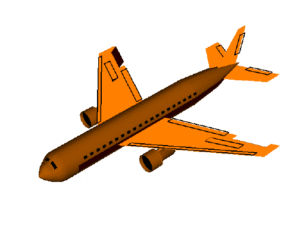
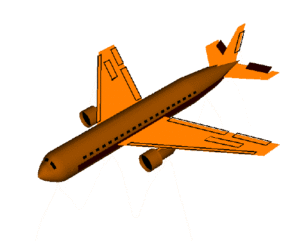
In this situation, the pilot has moved the control column to the right. The right aileron goes up and thereby reducing lift in the right wing. At the same time, the left aileron goes down and increases the lift of the left wing. This will induce a roll to the right which will result in the aircraft turning to the right.
Auxiliary Power Unit (APU)
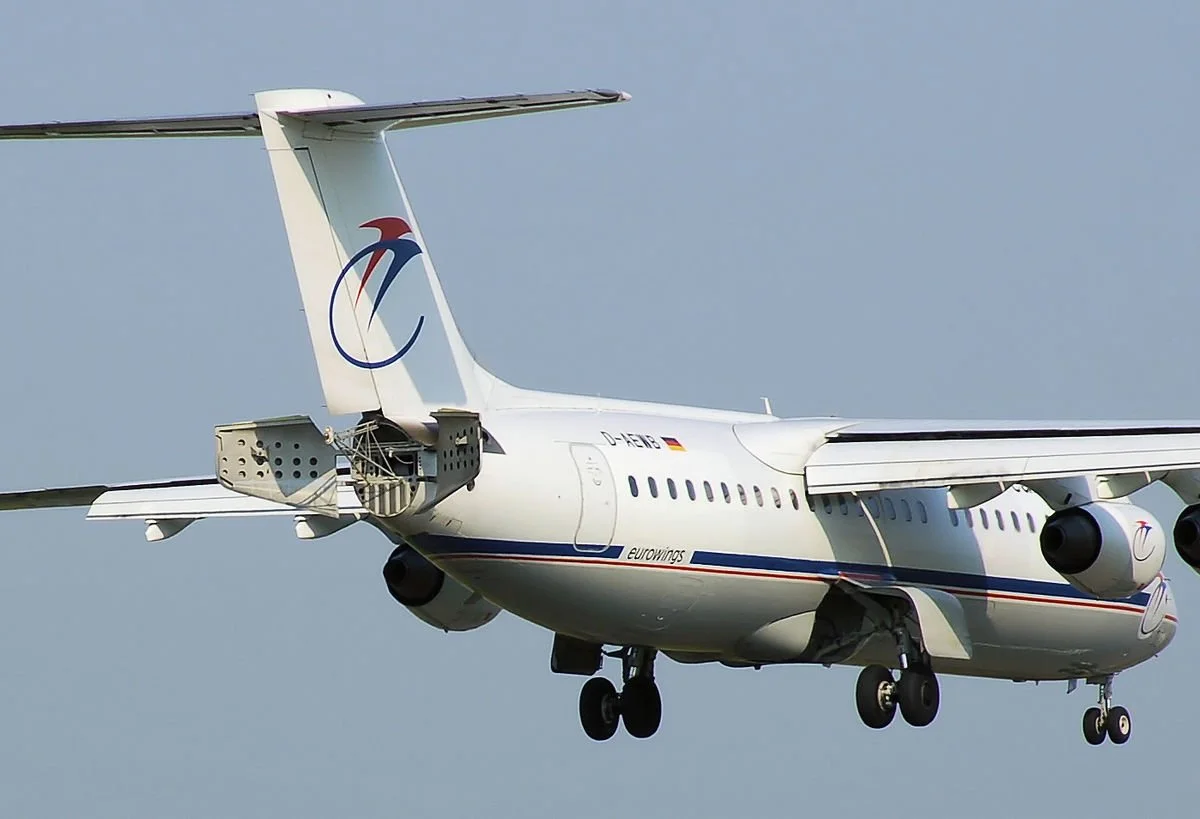
On larger aircraft, you may have noticed the exhaust pipe of a smaller engine, usually inside the tail cone of the aircraft. This engine which is a fraction of the size of the main engines is called the APU or Auxiliary Power Unit.
The purpose of the APU is to provide power for aircraft systems such as lighting, air conditioning, and some flight controls while the aircraft is parked at the terminal. In flight, of course, the power is provided by generators attached to the main engines. At most large airports power is provided by ground connections to avoid the running of APUs and thereby reducing noise and pollution.
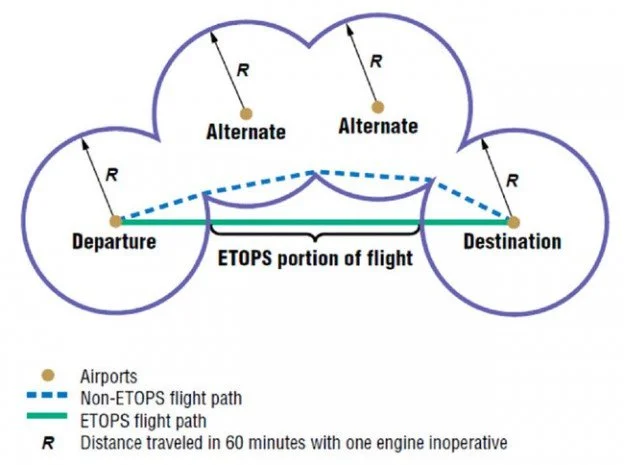
On twin-jet airliners the APU performs as a backup power source in flight, should both engines fail. This is so that pilots will still have control of the flight surfaces to enable control of the aircraft through the electrical current supplied by the APU. These APUs must adhere to strict standards such as being able to be started ice cold at 41,000 feet. If a twin jet like the Boeing 787 has an unserviceable APU, its ETOPS certification is revoked and it must take a longer route over water not ever being more than 60 minutes from the nearest available airfield.
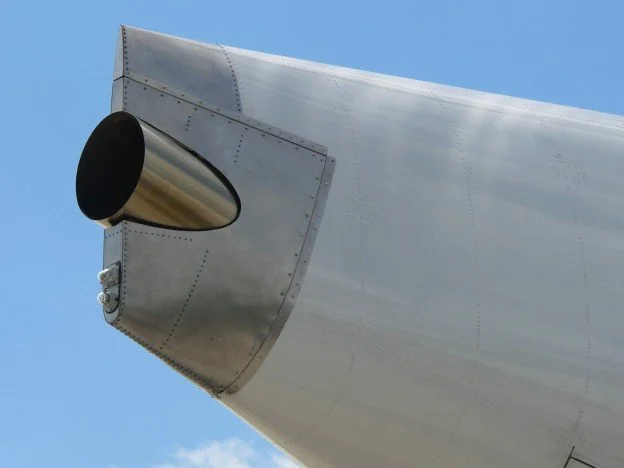
The exhaust of an APU (Auxiliary Power Unit) is located in the tail section of an Airbus A380.